
Every patient journey begins with understanding what is happening inside the body. At the Georgetown Public Hospital Corporation (GPHC), the Medical Imaging Department plays a vital role in helping healthcare providers see, diagnose, and treat medical conditions through advanced imaging technology and expert care.
As Guyana’s national referral hospital, GPHC provides medical imaging services to patients from across all ten administrative regions. From emergency cases and routine check-ups to complex surgeries and specialist care, the department provides essential information that helps doctors make timely and informed decisions.
𝐀 𝐋𝐞𝐠𝐚𝐜𝐲 𝐁𝐮𝐢𝐥𝐭 𝐨𝐧 𝐕𝐢𝐬𝐢𝐨𝐧 𝐚𝐧𝐝 𝐏𝐫𝐨𝐠𝐫𝐞𝐬𝐬
The story of Radiology at GPHC began with a vision to strengthen diagnostic care in Guyana. After completing her studies in 1961, Ms. Norma Odle returned home from England with the knowledge and passion to develop the field of medical imaging locally.
At the time, the hospital’s imaging services were limited primarily to X-ray examinations. Recognizing the need for skilled professionals to support the growth of the service, Ms. Odle established a training programme to teach and prepare future medical imaging personnel.
Through her dedication and commitment, the foundation was laid for the development of a stronger Medical Imaging Department, creating opportunities for healthcare professionals to build careers while improving diagnostic services for patients.
𝐖𝐡𝐞𝐫𝐞 𝐖𝐞 𝐀𝐫𝐞 𝐓𝐨𝐝𝐚𝐲
Over the years, Medical Imaging at GPHC has grown significantly. Today, the department offers a wide range of diagnostic services that support patient care across the hospital and the wider healthcare system.
These services include:
𝐗-𝐫𝐚𝐲 𝐈𝐦𝐚𝐠𝐢𝐧𝐠
Used to examine bones, the chest, and other areas of the body to identify fractures, infections, and other conditions.
𝐔𝐥𝐭𝐫𝐚𝐬𝐨𝐮𝐧𝐝
A safe, non-invasive service used to assess organs, monitor pregnancies, examine tissues, and guide certain procedures.
𝐂𝐨𝐦𝐩𝐮𝐭𝐞𝐝 𝐓𝐨𝐦𝐨𝐠𝐫𝐚𝐩𝐡𝐲 (𝐂𝐓) 𝐒𝐜𝐚𝐧𝐬
Provides detailed images of the body to help diagnose conditions such as strokes, injuries, tumours, and internal bleeding.
𝐌𝐚𝐠𝐧𝐞𝐭𝐢𝐜 𝐑𝐞𝐬𝐨𝐧𝐚𝐧𝐜𝐞 𝐈𝐦𝐚𝐠𝐢𝐧𝐠 (𝐌𝐑𝐈)
Uses advanced technology to produce detailed images of soft tissues, the brain, spine, joints, and other parts of the body.
𝐌𝐚𝐦𝐦𝐨𝐠𝐫𝐚𝐩𝐡𝐲
Supports the early detection and assessment of breast abnormalities.
𝐅𝐥𝐮𝐨𝐫𝐨𝐬𝐜𝐨𝐩𝐲
Provides real-time images to assist with diagnostic examinations and procedures.
𝐈𝐧𝐭𝐞𝐫𝐯𝐞𝐧𝐭𝐢𝐨𝐧𝐚𝐥 𝐑𝐚𝐝𝐢𝐨𝐥𝐨𝐠𝐲
Uses image guidance to perform minimally invasive procedures for diagnosis and treatment.
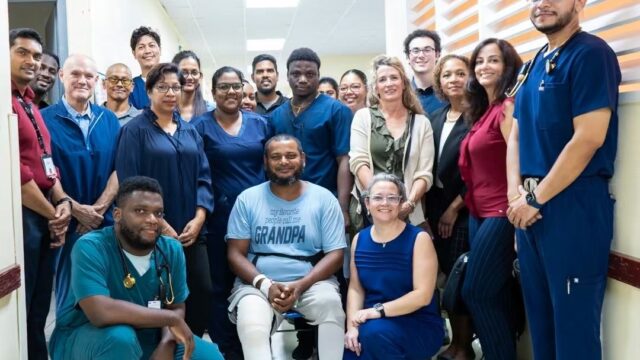
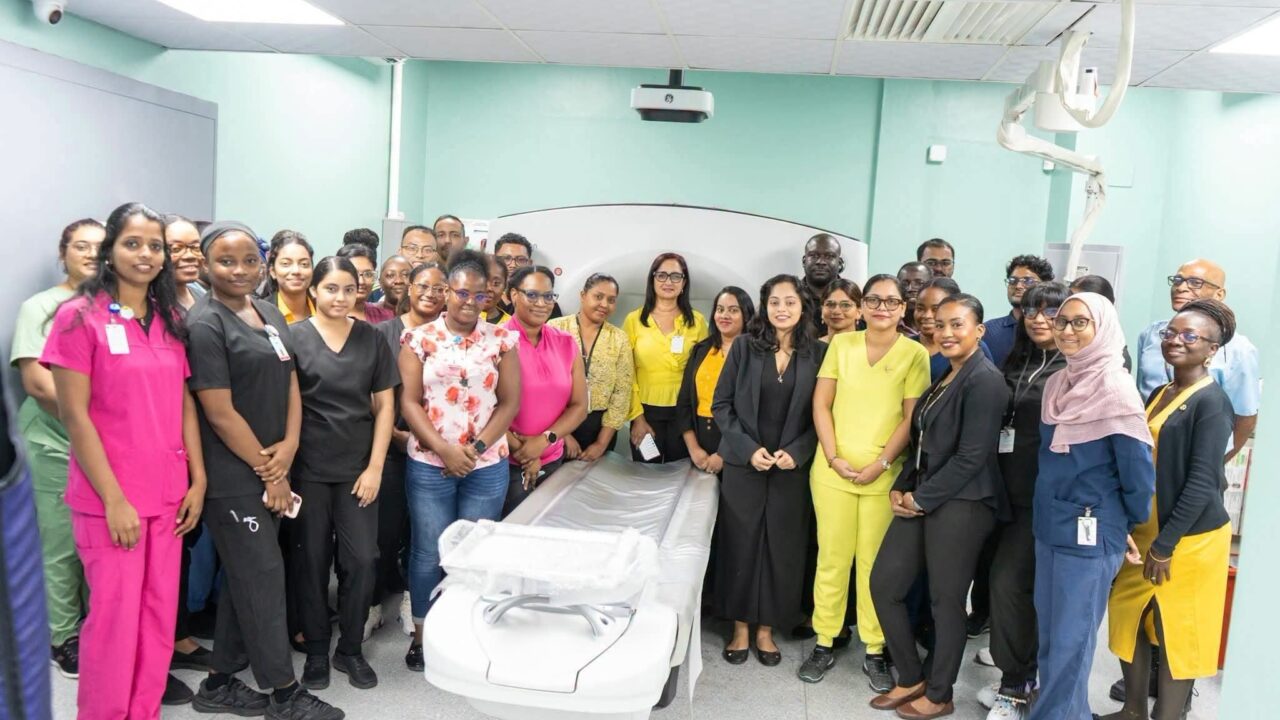
Behind every image is a dedicated team of professionals working together to provide safe, accurate, and compassionate care. This includes radiologists, radiographers, ultrasound technologists, nurses, and support staff who ensure every patient receives quality service throughout their imaging experience.
𝐒𝐮𝐩𝐩𝐨𝐫𝐭𝐢𝐧𝐠 𝐏𝐚𝐭𝐢𝐞𝐧𝐭 𝐂𝐚𝐫𝐞 𝐓𝐡𝐫𝐨𝐮𝐠𝐡 𝐓𝐞𝐜𝐡𝐧𝐨𝐥𝐨𝐠𝐲 𝐚𝐧𝐝 𝐓𝐞𝐚𝐦𝐰𝐨𝐫𝐤
Medical imaging is more than producing pictures. Each image provides important information that helps guide treatment decisions and improve patient outcomes.
The department works closely with teams throughout GPHC, including the Accident and Emergency Department, Intensive Care Unit, operating theatres, oncology, neurology, obstetrics and other clinical services.
Through teamwork, advanced technology, and a commitment to patient safety, the Medical Imaging Department continues to support faster diagnosis and better care for patients.
𝐋𝐨𝐨𝐤𝐢𝐧𝐠 𝐓𝐨𝐰𝐚𝐫𝐝 𝐭𝐡𝐞 𝐅𝐮𝐭𝐮𝐫𝐞
As healthcare continues to evolve, GPHC is investing in the future of diagnostic services.
The hospital is currently constructing a dedicated Medical Imaging Centre, which will provide a modern space to house advanced imaging services, including CT scanning and MRI technology. This expansion will improve access, efficiency, and the overall patient experience.
Additionally, the implementation of an Electronic Health Record (EHR) System will help create a more seamless process for patients and healthcare providers. By improving access to patient information, reducing delays, and strengthening communication between departments, the system will support more coordinated and efficient care.