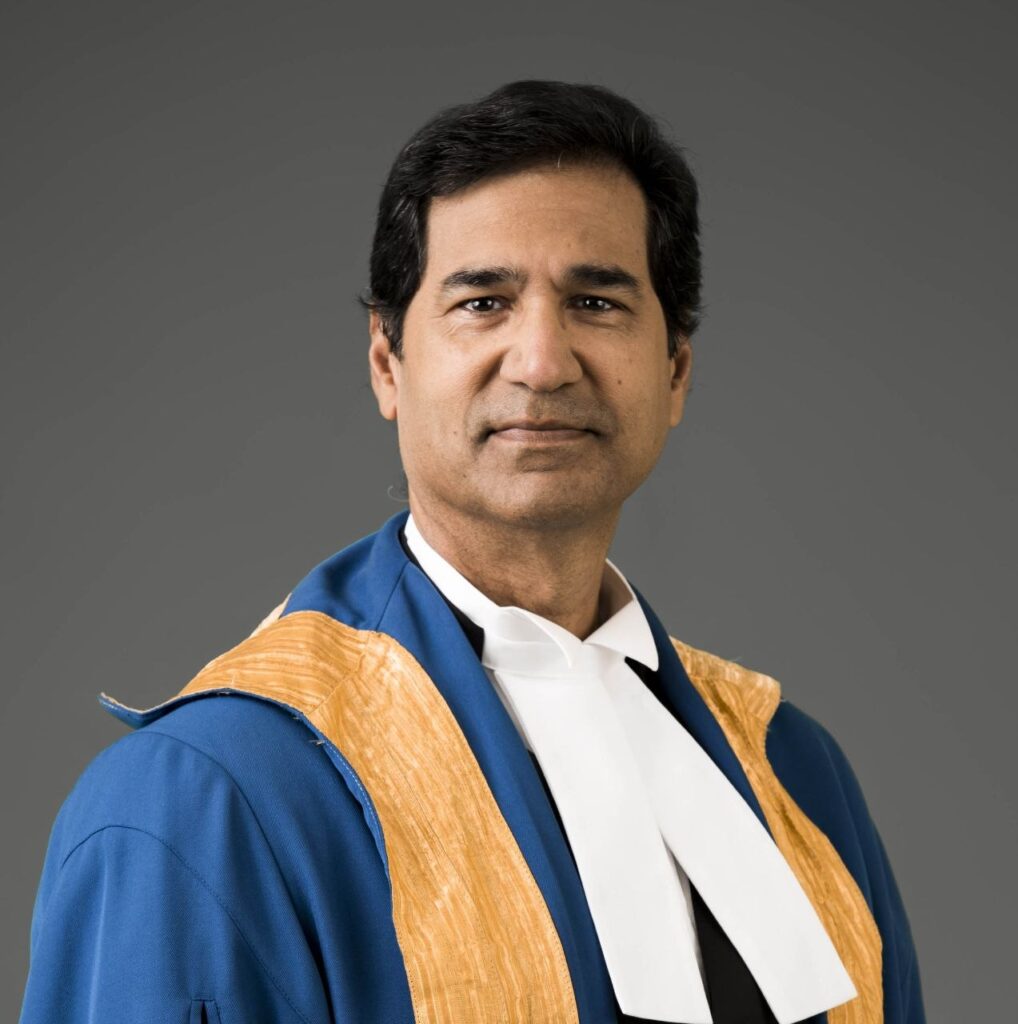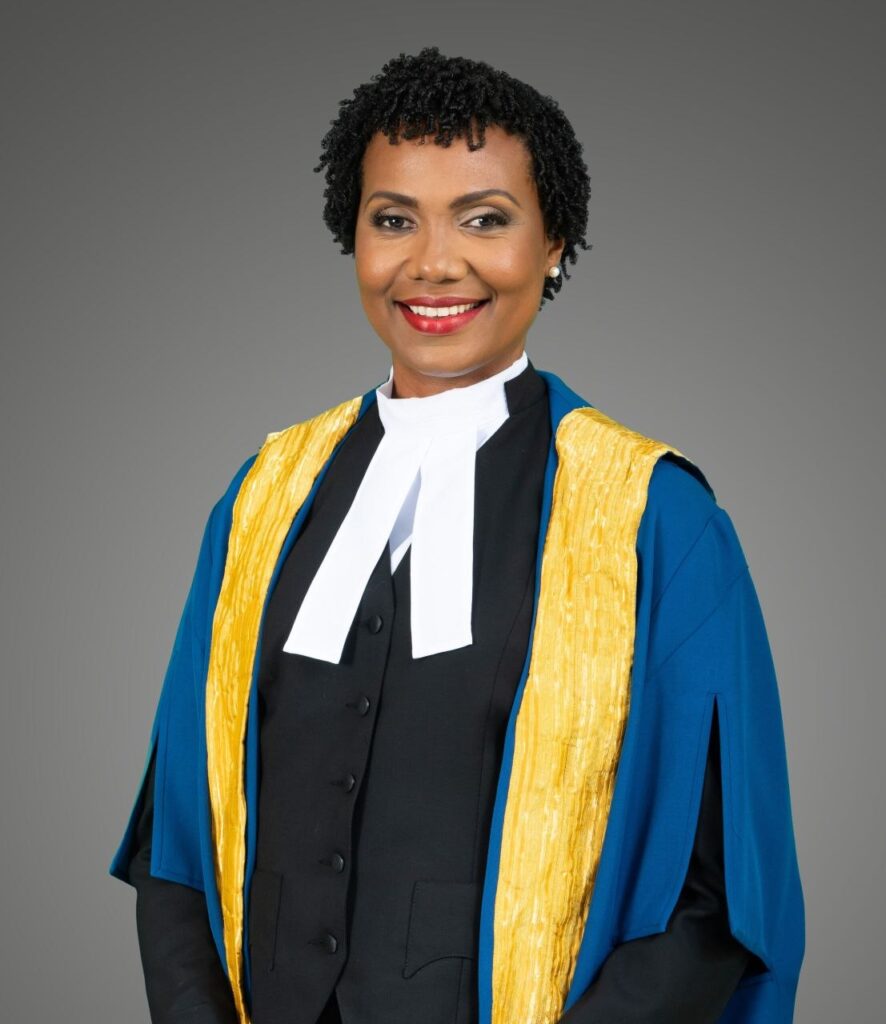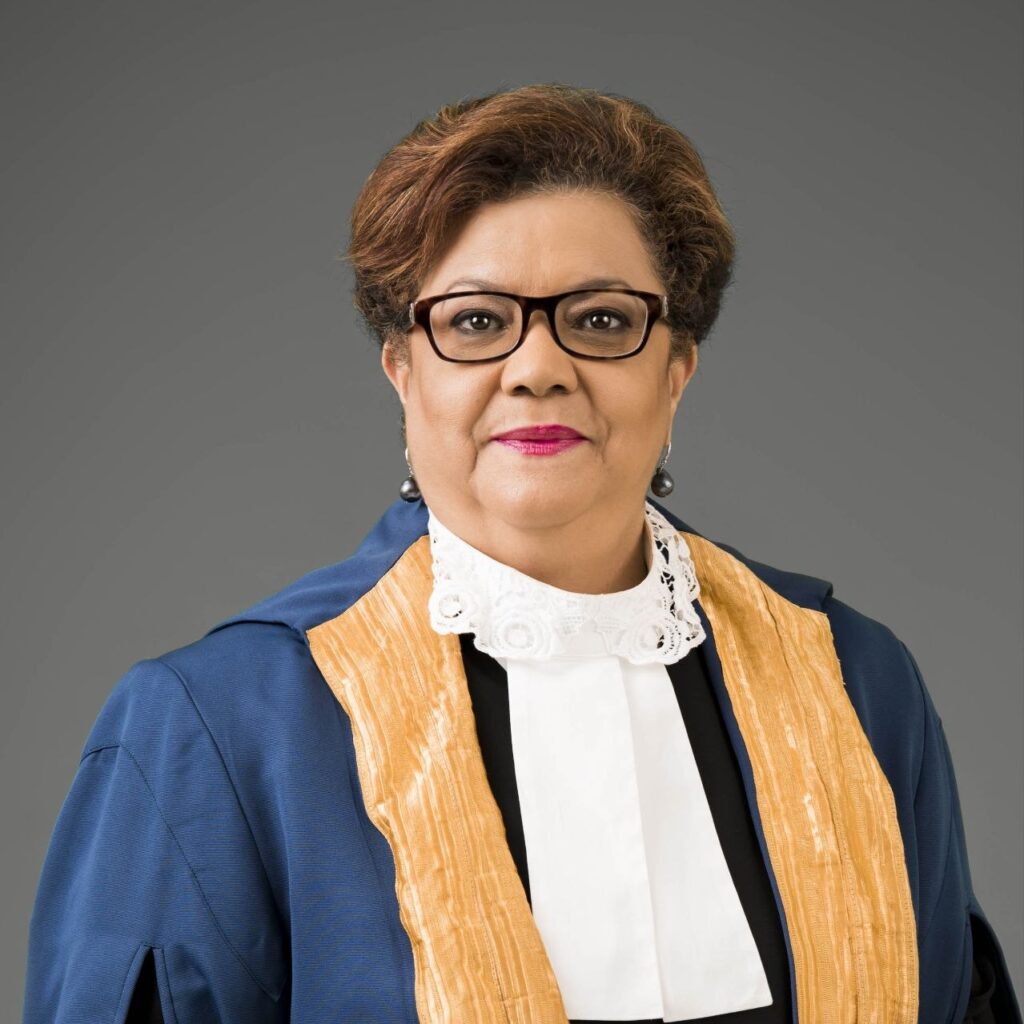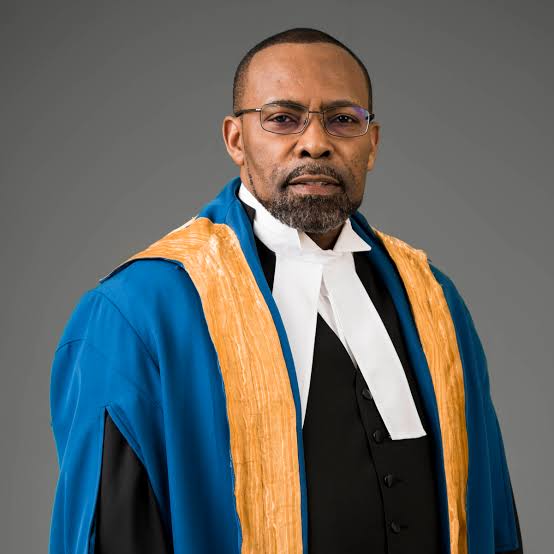


The Caribbean Court of Justice (CCJ) has reaffirmed its commitment to judicial independence, integrity and the rule of law following media reports detailing internal allegations against the Court’s President, Justice Winston Anderson.
In a statement issued, the regional court stopped short of addressing the specific allegations but acknowledged that “questions and allegations” presented without context could be misunderstood or mischaracterised.
“The Court is mindful that questions and allegations presented without the benefit of context, background, or an appreciation of the nature of judicial deliberations, collegial discussions, and institutional governance may lend themselves to misunderstanding or mischaracterisation,” the CCJ said.
The Court said it remained committed to the United Nations Bangalore Principles of Judicial Conduct, including “independence, impartiality, integrity, propriety, equality, competence, and diligence.”
It added that maintaining public confidence in the institution was fundamental to upholding the rule of law and preserving trust in the administration of justice.
“The Caribbean Court of Justice remains committed to providing accessible, fair and efficient justice for the people and states of the Caribbean Community,” the statement concluded.
The statement came a few days before the Sunday Express newspaper in Trinidad and Tobago published what it described as internal correspondence involving the Caribbean Court of Justice.
The newspaper reported that five of the CCJ’s six sitting judges had challenged Justice Anderson’s leadership, raising concerns ranging from his management style to allegations of attempts to influence judicial decision-making.
According to the newspaper, the dispute began after Justice Anderson circulated a proposed judicial dress code to his colleagues on June 22 ahead of a meeting of the Regional Judicial and Legal Services Commission (RJLSC).
Several judges objected, arguing that the proposal should first have been discussed and approved by the Court before being taken to the Commission.
However, the disagreement reportedly escalated beyond the proposed dress code into broader concerns about the Court’s internal governance.
Among those raising concerns was Guyanese-born Justice Arif Bulkan, who stressed that “process matters” and said consultation among judges strengthened collegial relationships within the Court.
The newspaper also reported that Trinidad and Tobago Justice Peter Jamadar described what he considered to be an increasingly “toxic” working environment and alleged attempts to influence judges in matters before the Court, including the appeal involving sanctioned Guyanese businessmen Azruddin Mohamed and Nazar Mohamed against Guyana’s extradition proceedings.
Justice Jamadar said he was concerned about what he perceived as “creeping patterns of anti-democratic approaches” that could threaten the administration of justice if left unchecked.
Nigerian Justice Chile Eboe-Osuji reportedly endorsed those concerns, alleging there had been “dictatorship in the administration of a judiciary” and calling for an urgent meeting of the judges before the dispute reached what he described as “a crisis point.”
He also claimed Justice Anderson had sought to announce a decision in the Mohamed extradition case in a manner that a majority of judges considered inappropriate.
The Sunday Express report did not attribute any comments or allegations to Justice Denys Barrow of Belize, the Court’s remaining sitting judge.
The allegations published by the Sunday Express have not been independently verified, and the CCJ’s statement did not address any of the individual claims or identify the newspaper report.
Justice Anderson, a Jamaican jurist, assumed office as President of the Caribbean Court of Justice in July 2025.