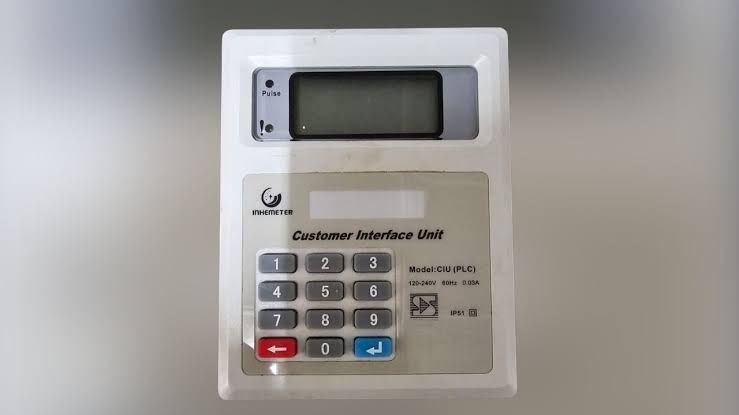

The Guyana Power and Light Inc. (GPL) is targeting the installation of approximately 284,000 smart meters by 2030 as part of a major overhaul aimed at reducing electricity losses, improving billing accuracy and detecting meter tampering and theft.
The target is outlined in GPL’s Development and Expansion Programme 2026–2030, which places advanced metering among the key components of the utility’s transition to a smart grid.
According to the document, GPL has historically faced challenges with energy losses and billing accuracy, prompting plans for a unified Advanced Metering Infrastructure (AMI) that will cover the majority of its customers by the end of the decade.
The smart meters will allow for two-way communication and support remote meter reading, remote disconnection and reconnection, tamper detection and notifications when electricity supply is lost or restored.
Importantly, the technology will be able to detect attempts to interfere with meters, including when a meter cover is opened or bypassing is attempted.
GPL said the rollout will initially place emphasis on areas with high electricity losses and large consumers. Approximately 70,000 meters are earmarked for the early stages, before the programme is extended to virtually all remaining customers, including those in Georgetown, New Amsterdam, Essequibo, Berbice and Linden.
The utility expects the system to give it access to consumption information daily or on demand, instead of relying on manual meter readings. According to the programme, this will be “crucial for quick loss analysis” while also helping GPL determine whether customers are experiencing outages.
The smart-meter drive forms part of a broader effort to tackle non-technical losses. GPL’s programme states that a material share of those losses stems from extended periods of unmetered electricity use associated with defective meters, bypassed service connections and delays in replacing meters.
To strengthen its ability to identify irregularities, meter data will also feed into a revenue-protection analytics system designed to flag unusual consumption patterns that could indicate electricity theft or meter bypassing.
GPL said smart-grid technology will change how losses are detected and managed by providing near real-time information on the movement of electricity from generation to consumers. As the AMI system expands and is integrated with billing and enforcement operations, automated readings are expected to reduce billing delays and estimation errors, while tamper detection and remote disconnection capabilities are expected to strengthen compliance efforts.
The company has set a wider target of significantly reducing total system losses by 2030, with the smart-meter programme forming part of the investments intended to improve GPL’s ability to account for electricity delivered across its network