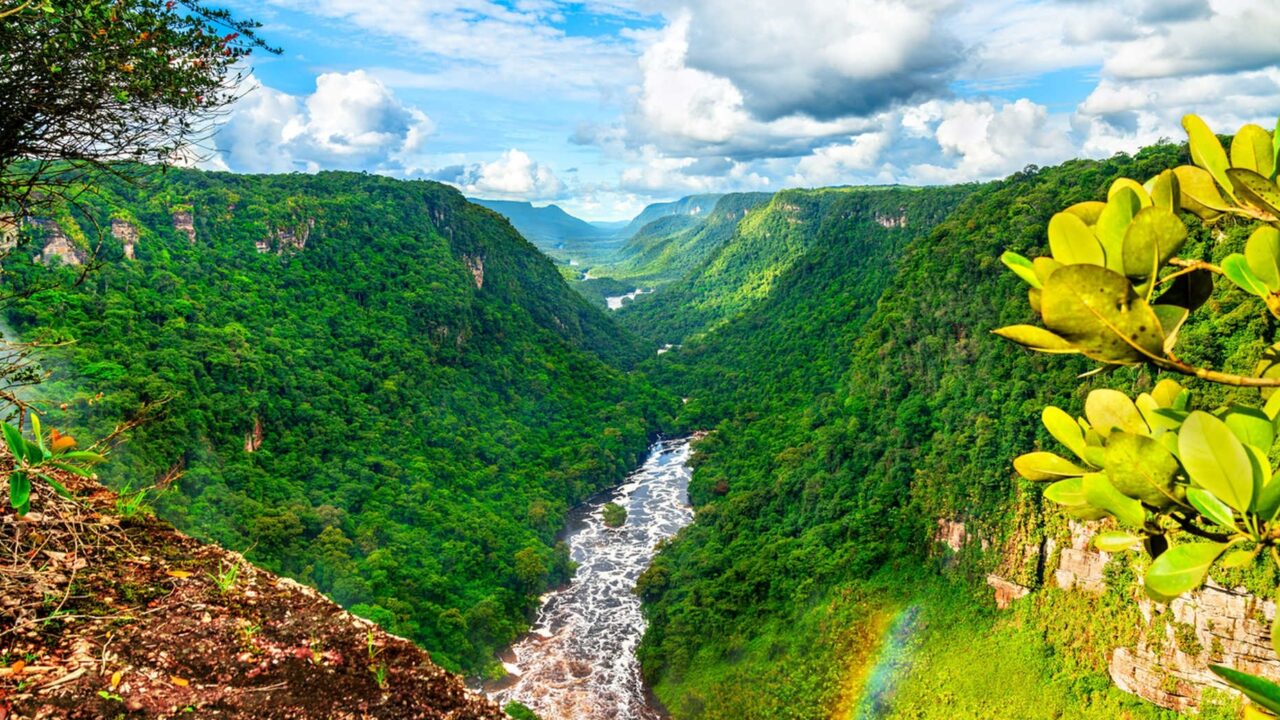

Guyana’s forest carbon credits are positioning the country to earn revenue from the international aviation market, with approximately 32 million credits issued under the 2021–2024 ART-TREES certification eligible for use by airlines, according to the International Monetary Fund (IMF).
In its 2026 Article IV Consultation report, the Fund said Guyana had already sold more than 12 million carbon credits at prices averaging US$22 per tonne, as the country continues to turn forest conservation into a source of income.
“Guyana remains at the forefront in market-based forest conservation while diversifying its energy mix,” the IMF stated.
The report highlighted the credits’ eligibility under the United Nations Carbon Offsetting and Reduction Scheme for International Aviation, which provides a market for credits used by airlines to address their emissions.
However, while the IMF reported both the credits’ aviation eligibility and the sales recorded, it did not identify the purchasers or specify how many credits had been bought by airlines.
The assessment points to an opportunity for Guyana to expand earnings from maintaining its forests, alongside efforts to diversify the economy and strengthen resilience to climate change.
During discussions with the IMF, the Guyanese authorities highlighted the use of carbon-credit earnings to support Amerindian communities and climate adaptation.
“They also emphasized continued efforts to generate carbon credit revenues and use the proceeds to support Amerindian communities and climate adaptation initiatives,” the report noted.
The Fund’s assessment places forest conservation within Guyana’s wider development strategy, which combines revenue generation with investments aimed at protecting communities and infrastructure from climate-related threats.
Alongside carbon-credit sales, the report highlighted spending on sea defences and efforts to change the country’s electricity generation mix. The Gas-to-Energy project is expected to considerably reduce fuel-based power generation by 2027, while solar power is also being expanded.
The IMF said continued investment in sea defences, drainage and climate-resilient agriculture remains essential to strengthening Guyana’s ability to withstand climate shocks.