
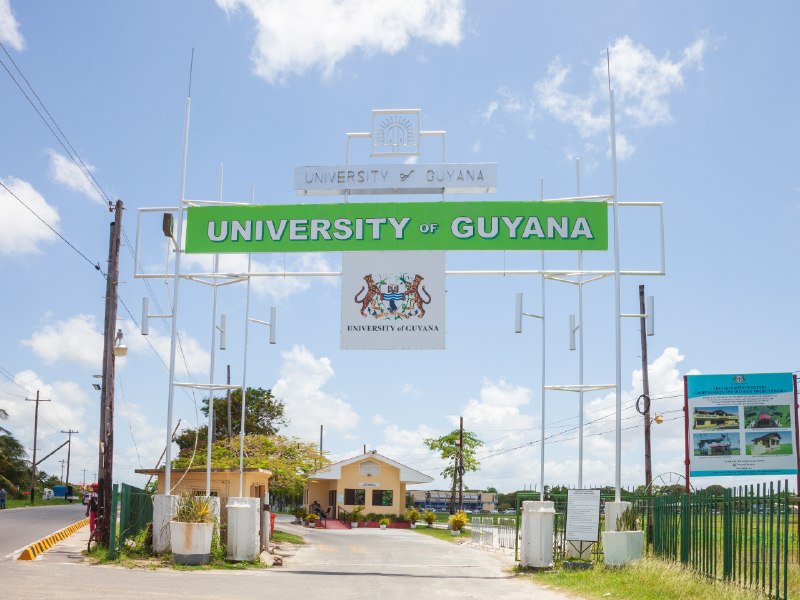

Guyana’s introduction of free university education has helped drive an approximately 45 percent increase in new student enrolment, according to the International Monetary Fund (IMF).
The finding, contained in the Fund’s 2026 Article IV Consultation report, points to an early result of the PPP/C government’s policy as the country seeks to expand its skilled workforce to meet the demands of a rapidly growing economy.
“Free university education since 2025 has contributed to about a 45 percent increase in new student enrollment,” the IMF stated.
The Fund identified developing human capital and supporting employment opportunities as major government objectives, while stressing the need for better data to measure the results of these efforts.
Its assessment links the enrolment increase partly to free university education. However, the report does not provide the underlying student numbers or specify the comparison period for the increase.
The education finding comes as Guyana faces growing demand for workers across several sectors. According to the IMF, available data indicate that unemployment declined from 12.8 percent in 2020 to 6.2 percent in 2025, while employment increased by nearly 60 percent. Construction, education and mining were among the sectors driving those gains.
Labour shortages nevertheless remain a challenge, underscoring the importance of expanding the pool of trained Guyanese workers.
The IMF’s broader assessment also found that increased public spending on health and education has been accompanied by improvements in outcomes in both sectors. It said large investments in physical and human capital are supporting non-oil economic growth and social outcomes.
The Fund welcomed the government’s five-year development plan’s focus on economic diversification, resilience and sustainability. Developing skills and expanding employment opportunities form part of the wider effort to strengthen economic activity beyond petroleum.
During discussions with the IMF, the Guyanese authorities highlighted education reforms and tax measures as part of their efforts to encourage greater participation in the workforce. They also pointed to increased student enrolment and strong employment gains.
While recognising these developments, the Fund called for more detailed labour market information to assess how policies are affecting employment and workforce participation. It also warned that gaps in available data continue to limit an adequate assessment of poverty.
The report’s findings place education among the areas showing progress as Guyana channels resources into developing its people alongside its expanding infrastructure.12:27