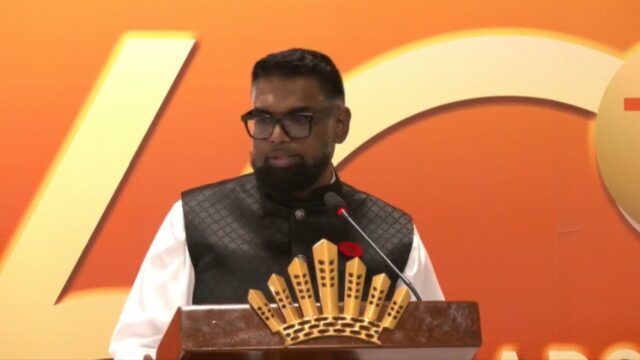

Prominent financial analyst Joel Bhagwandin has estimated that government’s tax relief, subsidies and income-support measures amount to approximately $512 billion in 2026, arguing that households would face greater cost-of-living pressures without those interventions.
Bhagwandin has nearly two decades in banking, corporate finance, consulting and management.
In a letter dated November 10, Bhagwandin acknowledged that families are feeling the strain of higher prices, particularly for food. However, he said the debate must also account for costs absorbed by the State and measures that increase households’ disposable income.
“A household sees the bill in front of it; it does not automatically see the tax relief, subsidy or transfer that has contained it or strengthened disposable income,” he wrote.
His estimate comprises roughly $337 billion in measures intended to limit costs reaching consumers and another $175 billion in transfers and income support.
Spread across approximately 296,000 households, Bhagwandin calculated an economy-wide average of about $144,000 monthly per household. He stressed, however, that this does not represent a payment to each family or an equal reduction in household expenses.
“These are not household bills or benefits received equally by every family,” he stated.
He explained that school assistance benefits families with eligible children, tuition support reaches students, and the value of income-tax relief depends on earnings.
Electricity was among the main examples cited. According to figures presented in the letter, GPL’s generation costs increased from US$110 million in 2020 to US$264 million in 2024.
Using an oil-price proxy, Bhagwandin estimated that the 2026 cost could reach approximately US$316 million, or G$66 billion. He described the calculation as indicative and acknowledged that increased electricity generation accounts for part of the rise.
His argument is that a substantial share of higher energy costs has been absorbed through public finances instead of being passed on through household tariffs.
Other measures identified include reduced fuel excise taxes, VAT relief, freight-cost adjustments, school grants, government-funded University of Guyana tuition and the increased income-tax threshold.
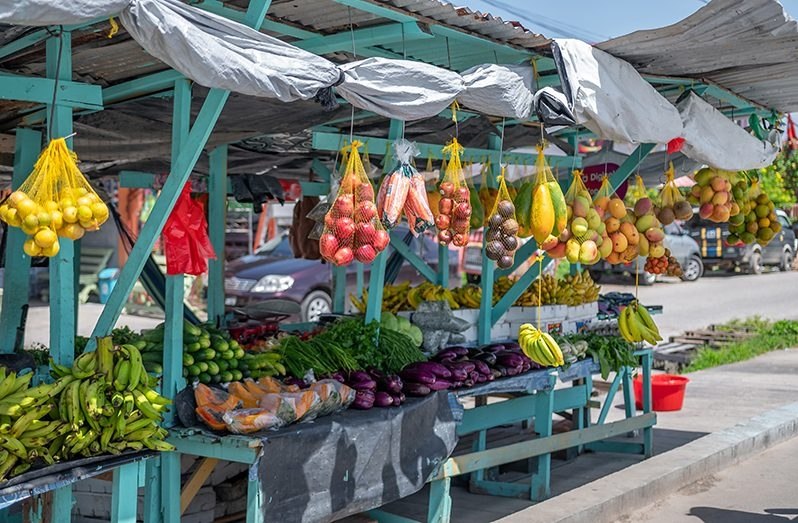
Bhagwandin nevertheless identified food prices as a continuing concern, arguing that supply has not kept pace with demand. He attributed price pressures to both imported costs and increased demand associated with rising incomes and a growing population.
He called for further short-term assistance to focus on vulnerable households, alongside farmers’ markets and other initiatives that improve access to food.
Over the longer term, he argued, investment in agriculture, manufacturing and electricity infrastructure must help reduce production and distribution costs.
“That fiscal choice is not free, and it cannot substitute for production,” Bhagwandin wrote.
He maintained that relief and investment must work together, acknowledging households’ concerns while rejecting the suggestion that they have been left wholly exposed to rising costs.