
Guyana has secured World Health Organisation (WHO) validation for eliminating mother-to-child transmission of HIV and syphilis as public health problems, marking a major achievement in the country’s maternal and child healthcare programme.
The Ministry of Health announced the recognition on Thursday, following formal notification from WHO Director-General Dr Tedros Adhanom Ghebreyesus to Health Minister Dr Frank Anthony in a letter dated November 16, 2026.
“Guyana has been validated as having achieved the elimination of mother-to-child transmission (EMTCT) of HIV and syphilis for the period 2022-2025. I congratulate Guyana on this landmark achievement,” Dr Tedros stated.
He also commended the Government’s sustained commitment to protecting pregnant women and their infants through its prevention programme.
The recognition places Guyana among a select group of countries in Latin America and the Caribbean to achieve this milestone. The Ministry clarified, however, that the validation means transmission has been reduced to internationally established elimination levels. It does not mean HIV and syphilis have been completely eradicated.
Minister Anthony welcomed the development, saying its significance extends beyond international recognition.
“This is more than an international certificate. It represents lives protected, infections prevented, and children given a healthier start in life,” he said.
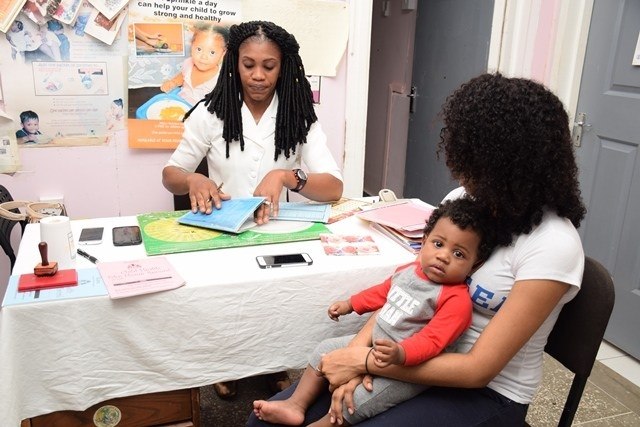
According to the Ministry, the achievement follows years of investment in maternal and child health services, including wider screening for HIV and syphilis, improved access to treatment, stronger laboratory services and enhanced disease surveillance.
The Ministry linked the progress to the Government’s broader investments in healthcare under President Dr Irfaan Ali, including upgrades to hospitals, diagnostic services, primary healthcare and workforce training.
Mother-to-child transmission of the two infections can cause lifelong illness, stillbirth and neonatal death. Early screening, timely treatment and adequate antenatal care are central to preventing these outcomes.
Guyana’s validation followed an assessment coordinated by the Pan American Health Organisation (PAHO), involving a virtual review from June 1 to 5 and an in-country mission from June 7 to 13, 2026.
Led by Dr Jodie Dionne, the regional team examined national health programmes, healthcare delivery, laboratory systems and epidemiological data. The assessment also covered community engagement, human rights and gender considerations.
The team briefed Minister Anthony on June 8 and presented its technical findings to Guyana’s National Validation Team on June 12. WHO’s Global Validation Advisory Committee subsequently assessed the country’s submission on November 5.
Anthony credited doctors, nurses, midwives, laboratory staff, public health officers and community health workers for their contributions, while acknowledging support from PAHO, WHO and other development partners.
Attention will now turn to maintaining the standards achieved. Guyana is expected to undergo another WHO review in 2030, covering programme performance between 2026 and 2029.
The Government also intends to strengthen screening, treatment, maternal healthcare and surveillance as it pursues the triple elimination of mother-to-child transmission of HIV, syphilis and hepatitis B.
“Our responsibility now is to sustain this achievement and continue working towards eliminating other preventable diseases. No child in Guyana should suffer from an infection that modern medicine can prevent,” Anthony said.