
Restoring forests damaged by mining and wildfires, while helping communities earn sustainable livelihoods, will be a major focus of a four-year conservation project launched in Guyana by the Environmental Protection Agency (EPA) and the United Nations Food and Agriculture Organization (FAO).
In a release issued on Monday, the EPA said Phase III of the Amazon Sustainable Landscapes Project (ASL III) will also strengthen protected-area management and examine new ways to finance biodiversity conservation, including the potential use of biodiversity credits.
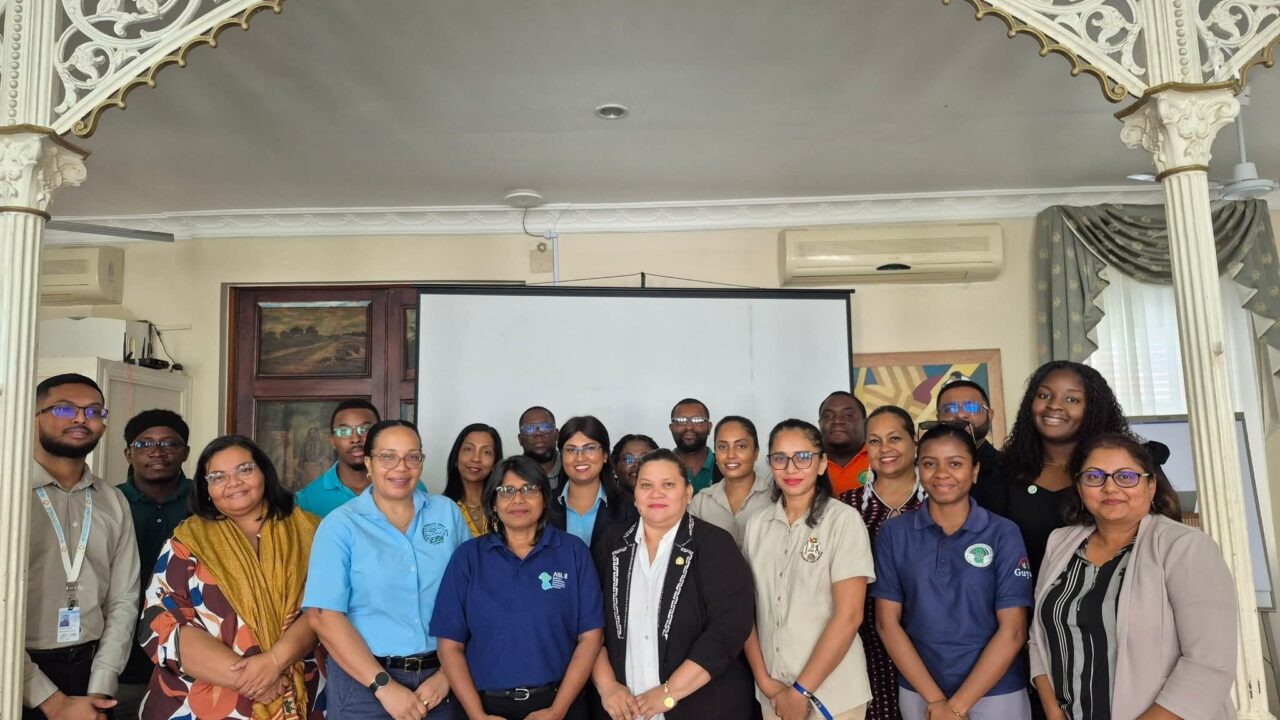
The Global Environment Facility-supported initiative was formally launched at an inception workshop on November 13 at Cara Lodge, Georgetown. It builds on work undertaken during the project’s second phase.
Delivering opening remarks virtually, EPA Executive Director Kemraj Parsram highlighted the project’s role in restoring damaged ecosystems, improving biodiversity monitoring and securing sustainable financing for conservation.
He stressed that achieving lasting benefits would require strong coordination among institutions, effective partnerships and meaningful participation by Indigenous Peoples and local communities.
Alongside forest rehabilitation, planned activities include strengthening geographic information systems, supporting community-based livelihoods and improving the governance of intact forest landscapes.
FAO Representative in Guyana, Dr Gillian Smith, highlighted the connection between protecting biodiversity, food security and community livelihoods. She also reaffirmed FAO’s support for Guyana’s environmental priorities, including the Low Carbon Development Strategy 2030.
“Each institution and community represented here brings knowledge that is vital to ensuring sustainable results for us all,” Smith said.
The project will promote free, prior and informed consent and accessible mechanisms for addressing grievances, as part of efforts to ensure transparent and inclusive implementation. Discussions also emphasised the involvement of Indigenous Peoples, women and young people in shaping activities around national and community priorities.
Government agencies, Indigenous and community organisations, conservation bodies and development partners participated in the workshop, reviewing implementation arrangements, financing and the proposed first-year workplan and budget.
Participants identified procurement requirements, logistical costs, changing community priorities and sustained coordination among institutions as challenges that must be addressed during implementation.
The EPA said it will work with FAO and other partners to advance the initiative through coordinated planning, technical cooperation and community engagement.