City Revival Plan Puts Georgetown’s Traffic Congestion in the Spotlight
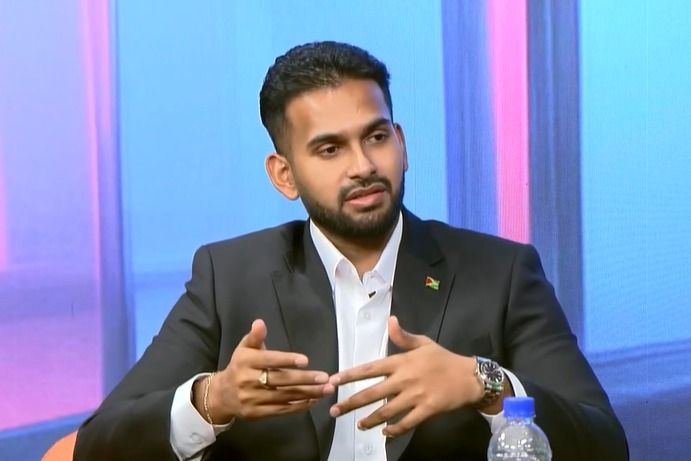


Traffic congestion, one of Georgetown’s most persistent headaches, has been placed front and center in President Dr. Irfaan Ali’s City Revival Plan. The issue, which affects commuters, businesses, and visitors alike, was a key talking point on the latest NCN Spotlight programme hosted by Communications Specialist Marcia Hope, where experts outlined how improved infrastructure, civic responsibility, and technology could ease gridlock and reshape the city.
Tourism and Communications Specialist Kishan Singh argued that congestion is more than an inconvenience; it undermines tourism, productivity, and the city’s overall livability. He noted that the capital’s narrow, historic road network was never designed for today’s volume of vehicles, and without decisive action, traffic will continue to choke economic growth. “We can’t talk about making Georgetown a destination if visitors spend hours stuck at junctions or navigating chaotic streets,” Singh said, calling for smarter planning, designated parking areas, and stricter enforcement of traffic rules.
Senior Lecturer in Computer Science at the University of Guyana, Govinda Raghubanshi, emphasized the role of digital solutions in reducing congestion. He pointed to smart traffic lights, real-time monitoring systems, and apps that allow citizens to report road issues as tools that could transform mobility in Georgetown. “Digital systems can create efficiency and transparency, but they also empower commuters to be part of the solution,” he explained, suggesting that technology could streamline both public transport and waste collection—two major contributors to clogged streets.
Both Singh and Raghubanshi agreed that the congestion problem is not just about roads, but about culture. Double-parking, illegal vending, and indiscipline on the roadways all add to the bottlenecks. Singh argued that youth engagement through education and awareness campaigns will be key to changing behaviors, while Raghubanshi stressed the importance of citizen participation in sustaining improvements.
The discussion underscored that while government and municipal authorities will need to invest heavily in infrastructure and digital systems, reducing traffic congestion ultimately requires a shift in how the city functions day to day. Cleaner streets, organized transport, and civic pride, the panelists concluded, are all tied to the wider revival vision.


