Dialysis cases soar past 600, kidney failure on the rise -Human Organ and Tissue Transplant Agency
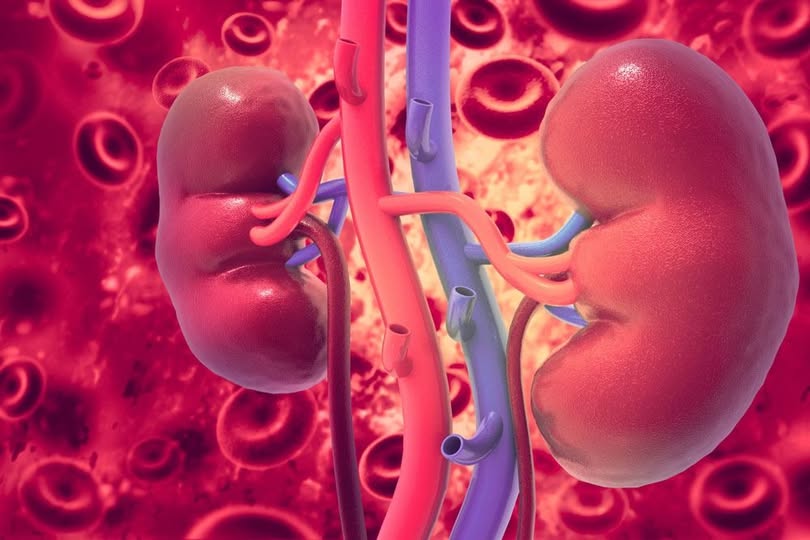


Guyana is now seeing an unprecedented surge in patients requiring dialysis, with numbers climbing from just 63 in 2020 to more than 600 this year. The worrying trend was highlighted on Thursday by Chairperson of the Human Organ and Tissue Transplant Agency (HOTTA), Dr. Shanti Singh, during the presentation of new research findings at the Pegasus Hotel.
Dr. Singh explained that the data reflects a sharp rise in chronic kidney failure diagnoses across the country. She outlined the rapid escalation over the years, 63 patients in 2020, doubling to 129 in 2021, then rising to 322 in 2022, 428 in 2023, and now surpassing 600.
The one-day dissemination session brought together medical professionals, researchers, and stakeholders to examine recent studies on Chronic Kidney Disease (CKD), hemodialysis, and transplantation care in Guyana. The research focused heavily on the knowledge, attitudes, and daily realities of patients and caregivers living with kidney-related illnesses.
According to Dr. Singh, the goal was to update the public on HOTTA’s ongoing work while presenting a clearer picture of the country’s gaps and needs in kidney health. The findings showed that early detection remains a critical issue, prompting HOTTA to roll out public education tools targeting both citizens and primary care physicians. “There were a number of videos and a number of posters… geared towards the general public, but we also had some geared towards physicians… to help them identify CKD in its early stage,” she said.
Presenters also discussed the relationship between Non-Communicable Diseases (NCDs) and CKD. Dr. Singh pointed out that many persons admitted to the Georgetown Public Hospital with NCD complications eventually end up requiring dialysis. She referenced Pan American Health Organisation (PAHO) data showing cardiovascular disease leading NCD-related deaths, followed by cancers, respiratory illnesses and diabetes, conditions closely linked to kidney deterioration.
Thursday’s forum explored major thematic areas, including socio-demographic factors, patient knowledge levels, and the lived experiences of those relying on hemodialysis therapy. A synthesis of the research findings highlighted emerging trends and stressed the need for greater public awareness, early screening, and strengthened support systems.


