Global HIV response faces historic funding crisis in 2025 -UNAIDS warns of reversals in progress
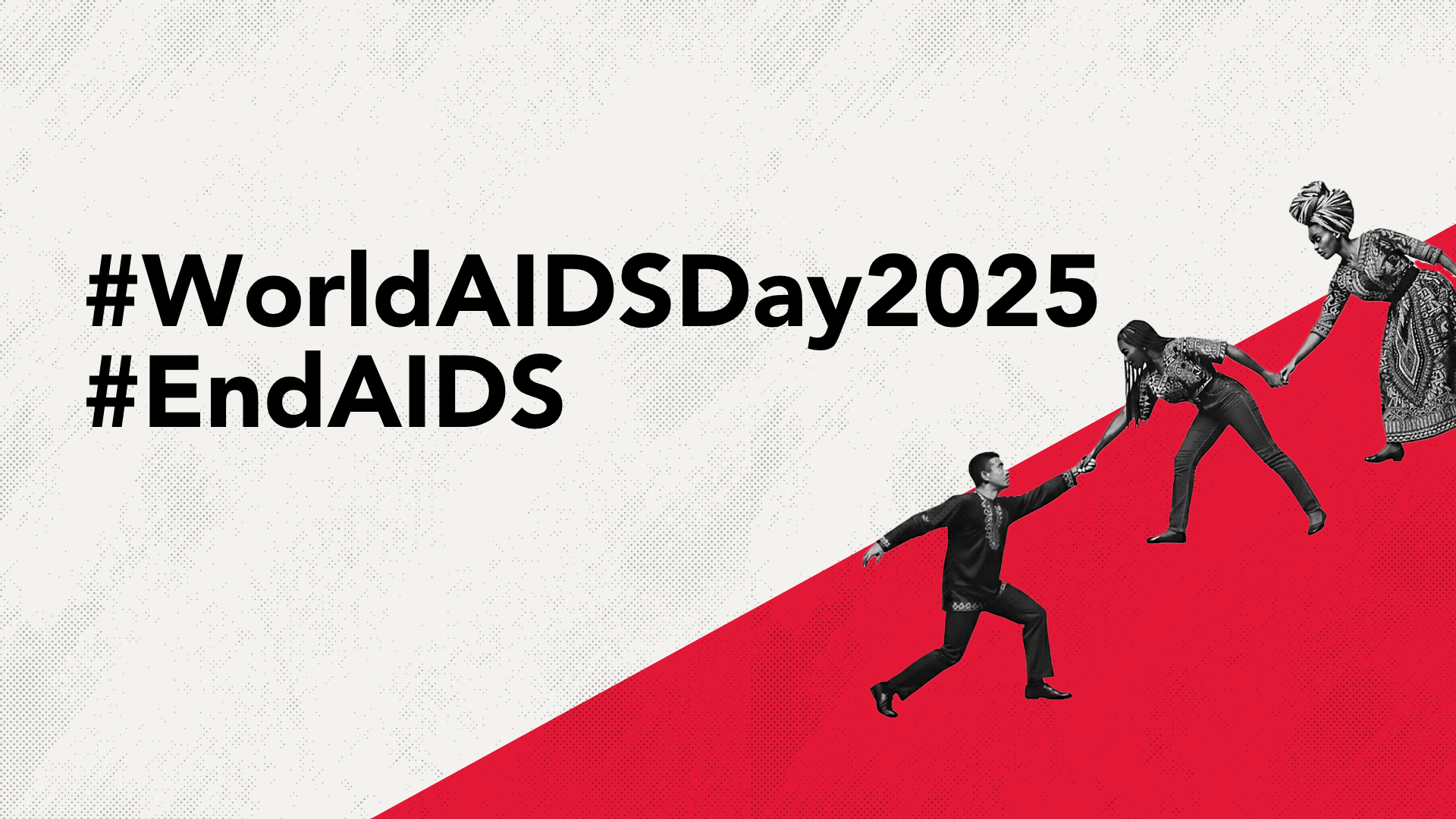


UNAIDS is sounding the alarm ahead of World AIDS Day 2025, warning that the global HIV response is now facing a historic funding crisis that threatens to wipe out decades of progress in prevention and treatment.
With this year’s observance themed “Overcoming disruption, transforming the AIDS response,” the agency says the 1 December commemoration comes at a time when international donor cuts have severely weakened the global fight against AIDS. The organisation notes that the situation has already disrupted HIV prevention services worldwide and has placed community-led programmes at risk, even though these services are crucial for reaching marginalised groups.
According to UNAIDS, the crisis is being worsened by a rise in punitive laws targeting same-sex relationships, gender identity and drug use, measures that are making HIV services inaccessible and amplifying the setbacks many countries are experiencing.
The agency says the global AIDS response has been upended in recent months, and while the world is still committed to reaching the Sustainable Development Goal of ending AIDS by 2030, a new and transformative approach is now required. It stresses that AIDS is not over, and the current environment calls for actions that will help mitigate risks and keep the response on track.
UNAIDS is urging countries to make radical shifts in how they fund and programme their HIV responses, noting that domestic resources alone are not enough. The international community, the agency says, must step in to help bridge the financing gap, strengthen HIV prevention and treatment services, remove legal and social barriers, and support community-led efforts.
Political leadership, UNAIDS adds, is essential for tackling structural inequalities and safeguarding vulnerable populations. It highlights the need for solutions that eliminate stigma and discrimination and protect the rights of women, girls and LGBTQ+ people, who continue to face disproportionate obstacles in accessing healthcare.
“In a time of crisis, the world must choose transformation over retreat,” said UNAIDS Executive Director Winnie Byanyima. “Together, we can still end AIDS as a public health threat by 2030, if we act with urgency, unity, and unwavering commitment.”
UNAIDS is calling on governments and partners to use this World AIDS Day to reaffirm political will, strengthen international cooperation, and prioritise human-rights-centred approaches to ending AIDS by 2030.


