

At a time when non-communicable diseases (NCDs) and mental health disorders are exacting a heavy toll worldwide, Guyana is carving out an unlikely role: as a blueprint for how developing countries can turn political will into tangible health outcomes.
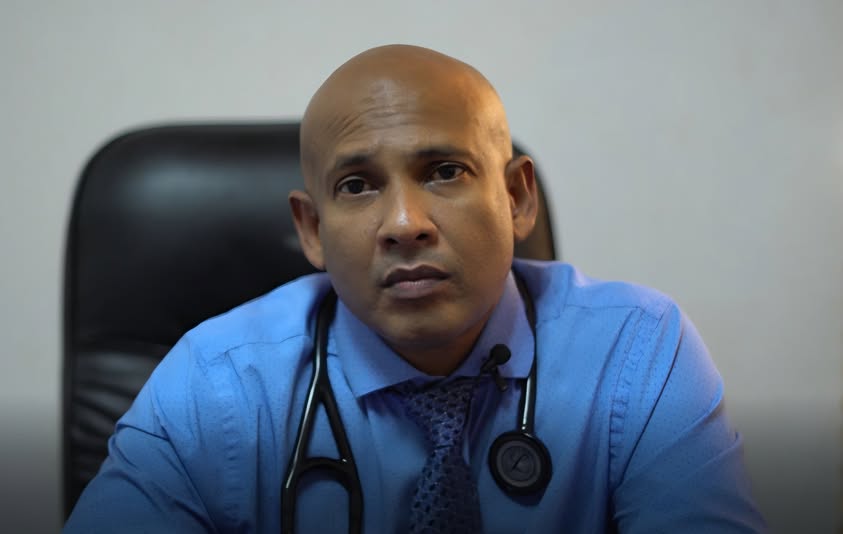
That was the message delivered by Dr. Mahendra Carpen, Presidential Adviser on Science and Healthcare Modernisation and Guyana’s leading cardiologist, at a high-level United Nations General Assembly (UNGA) meeting on NCD prevention and mental health promotion. Speaking before international leaders, Dr. Carpen argued that Guyana is proof that small, resource-constrained nations can make big strides once policy commitment is backed by serious investment.
Globally, NCDs kill 41 million people annually, while mental health conditions remain a top cause of disability. Yet the burden falls hardest on low- and middle-income countries, where fragile health systems often leave patients without access to consistent care. Dr. Carpen’s intervention reframed that narrative: Guyana, despite being a developing state, has doubled down on its health sector, tripling government expenditure from $35 billion to $143 billion in just five years.
That investment has translated into structural change. The country is expanding primary healthcare networks, building new facilities, and growing its medical workforce.
Telemedicine now connects remote hinterland communities to specialists in Georgetown, a shift that was once thought impractical in Guyana’s vast interior. At the same time, nationwide screening programmes for breast, cervical, and prostate cancers are catching cases earlier, while a new mental health strategy is decentralising services that were previously concentrated in the capital.
Through the Pan American Health Organisation’s HEARTS initiative, hypertension and diabetes care are being standardised across the country, cutting the risks of heart disease and stroke that have long plagued local populations.
Dr. Carpen’s message to the UN was less about numbers and more about proof of concept: that developing nations need not wait to act. “In Guyana, we are demonstrating what is possible when political will is matched by investment,” he said.


