Guyana Ramps Up Landfill Development to Tackle Mounting Waste Crisis
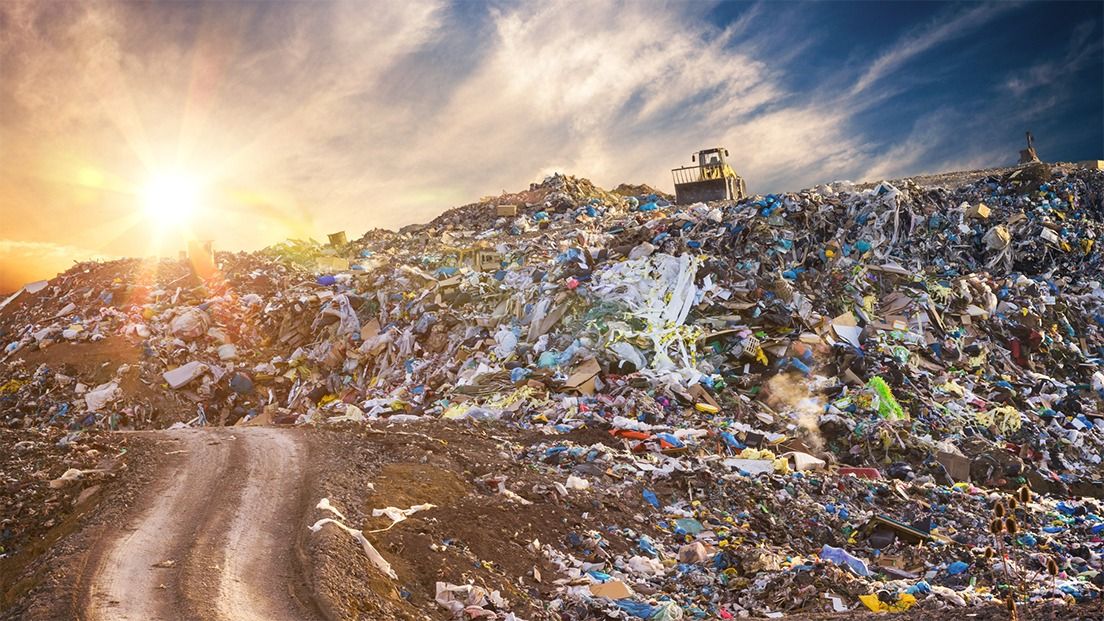


Guyana’s rapid pace of development has brought with it a significant waste management challenge, one that government is now seeking to address through the establishment of modern, environmentally sustainable landfill sites.
President Dr. Irfaan Ali this week underscored the urgency of the issue, noting that new landfill facilities must not only expand the country’s capacity but also introduce innovation in the way solid waste is managed. He added that within the next month, government will present a comprehensive sanitation strategy, with a particular focus on Regions Two, Seven, Ten, Four, and Six.
That strategy, he said, will go beyond infrastructure. It will integrate public education campaigns designed to shift attitudes toward garbage disposal, targeting markets, public spaces, and community behavior. “This is about changing mindsets, changing behavior, and allowing us to act with responsibility when it comes to protecting our environment,” Ali emphasized.
Earlier this week, Minister of Local Government and Regional Development Priya Manickchand echoed those concerns during a visit to the Haags Bosch landfill site. She pointed to the sheer scale of the problem, revealing that solid waste has grown from 400 tonnes to more than 1,200 tonnes per day over the past decade. The number of trucks arriving at Haags Bosch alone has increased from just 100 to as many as 400 daily.
For decades, Guyana’s waste management relied heavily on open-air dumpsites controlled by local NDCs. These sites—often poorly managed—were notorious for foul odours, unchecked fires, and contamination of nearby waterways. Communities like New Amsterdam and Linden regularly clashed with authorities over the health hazards posed by unregulated dumps such as the Esplanade and Kara Kara.
Neighbourhood Democratic Councils, tasked with waste collection and disposal, struggled with chronic underfunding, outdated equipment, and public non-compliance.
Attempts at community clean-up campaigns often faltered without sustained resources. By the early 2000s, Georgetown itself became emblematic of the country’s garbage woes, with overflowing bins and clogged drains dominating headlines.
The opening of the Haags Bosch Sanitary Landfill in 2011, supported by international funding, marked a turning point. Unlike older dumps, Haags Bosch was designed with engineered cells, leachate treatment, and controlled access. However, as waste volumes tripled, the site quickly became overstretched, reviving calls for additional facilities and stricter oversight.
These projects, coupled with beautification initiatives led by First Lady Arya Ali, represent a shift in Guyana’s waste strategy—away from ad-hoc disposal towards a more coordinated, environmentally responsible approach.


