Guyana to introduce stricter penalties, scanners as e-border system expands
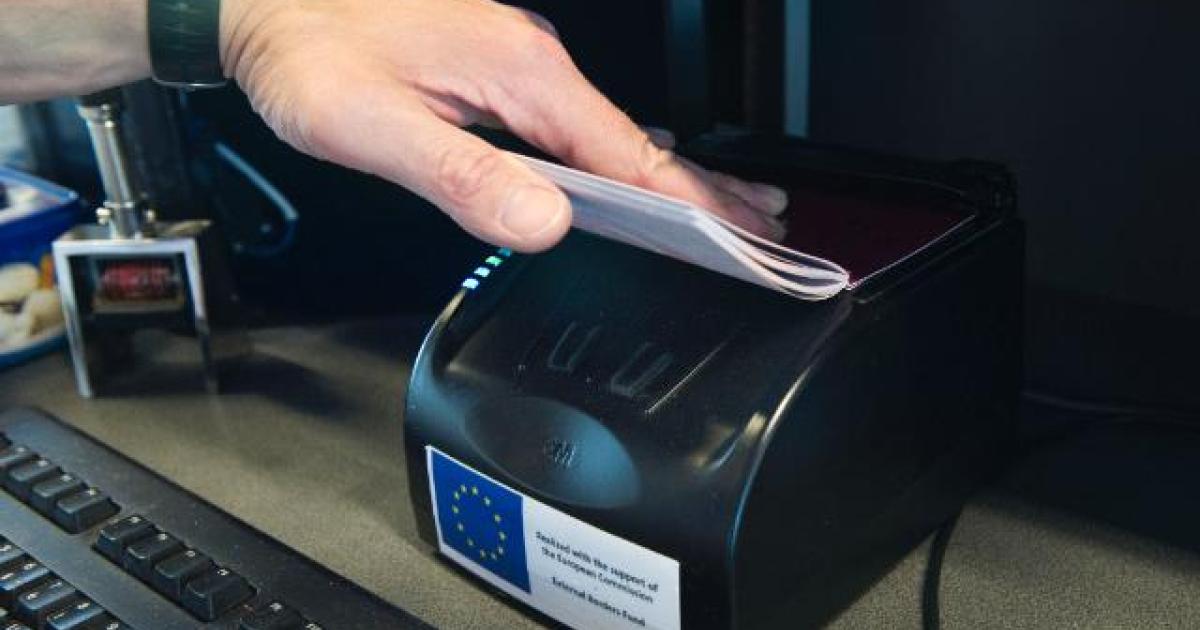


President Irfaan Ali says Government will move to tighten border controls with new scanners, tougher penalties for false declarations and deeper integration of technology into national security, as the country advances its e-border protection system.
Addressing the opening of the Annual Police Officers Conference 2026 on Wednesday, the Head of State said the e-border system is already in operation and receiving positive feedback from travellers.
“We have already moved. We have started the e-border system. And we are hearing the wonderful comments of people around everywhere I travel now,” he said, noting that persons are “speaking about the speed through which you come through immigration, the speed through which you are being processed, comparing it to one of the best border systems in the world.”
However, the President stressed that the system must function consistently while additional measures are introduced. He announced that specialised scanners for customs have already been ordered to reduce reliance on manual checks.
“We now have to put the specialized scanners at customs, which we have already ordered, to remove the whole need of humanly identifying bags and people. Everything will be scanned. Every bag will be scanned. And we’ll make it very simple. It’s self-declaration,” he said.
Under the new approach, passengers will be responsible for accurately declaring items, with penalties escalating for violations. The President outlined a tiered system of enforcement.
“If we have to amend the penalties, one strike, two strikes, and then jail strike. We can’t want the best system and don’t have these penalties,” he stated.
“It will be self-declaration. If on the first occasion you have a wrong declaration, there’ll be a heavy fine. The second occasion, there’ll be a heavier fine. And the third occasion, there will be jail time.”
He added that legislative amendments will be introduced to support the new regime, emphasising that responsibility will shift away from frontline officers.
“You don’t have to blame a custom officer anymore. You don’t have to blame an immigration officer no more. It’s going to be self-declaration. The scanners will be there. Everything will go through the scanner,” he said.
Beyond ports of entry, the President said the e-border system will form part of a wider border security architecture powered by technology and surveillance.
“The e-border system must also be critically integrated into the border security system that we are developing,” he noted, explaining that Government is investing in tools to monitor and understand activity along the country’s vast frontiers.
“We are working on the right technology to give us more effectiveness in at least seeing what is happening on the border in the first place,” he said. “The magnitude of resources to see and combat is enormous. So we are in the first place ensuring that we know what is happening on our borders.”
According to the President, the push for scanners, digital processing and surveillance technology is aimed at improving efficiency while strengthening enforcement and national security at all entry points.


