

Moral and civic education are no longer just concepts woven into other subjects but are now being taught as standalone subjects across nursery, primary and secondary schools, with classes already having started last week.
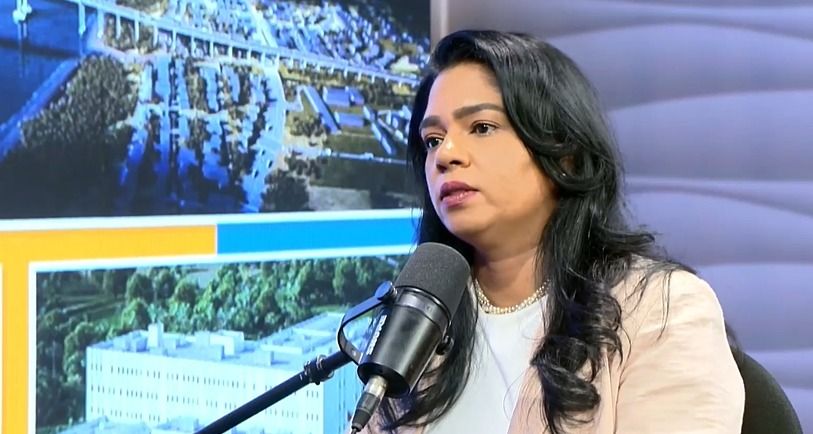
Minister of Education Sonia Parag disclosed this during an interview on the Starting Point podcast on Friday, explaining that the subjects have already been formally placed on school timetables nationwide.
“We’ve timetabled it already,” Parag said, noting that the Ministry worked through its District Education Officers with head teachers to ensure the subjects were slotted into the school day. According to the minister, moral education is generally taught in the mornings, while civic education is delivered at all levels, with content tailored to students’ ages.
She made it clear that the government deliberately chose not to merge the subjects into existing areas such as Social Studies or History.
“These are standalone subjects,” Parag said. “So, we don’t want them to be incorporated. So you’ll have an element for example of moral education in some other subject or you will have a component of civic education perhaps in history or one of those um subjects. And so we don’t just want it to be a component. We want it to be taught as a standalone as a separate subject because it deserves that sort of importance and it deserves that significance…”
At the nursery level, civic education will focus on patriotism, national identity and basic civic behaviour. Parag explained that children will be taught how to conduct themselves during the playing of the National Anthem, including standing at attention, and will also learn Guyana’s national songs.
“We know that we have a lot of adults in Guyana who do not know the national songs. We’re starting it from a young age,” she said.
As students progress through primary and into secondary school, the curriculum expands to include democracy, civic responsibility and leadership. Parag said students in Grades Five and Six, moving into Grade Seven and beyond, will be taught about how democracy functions and how easily it can be undermined.
“They will be learning about how fragile democracy is and how you need to keep it strong and steady and how they play a part in that,” the minister explained. “How they will grow up to become policy makers… leaders and decision makers in terms of how the community can develop.”
Moral education, she added, will focus on values such as kindness, cooperation and teamwork, but with an emphasis on behaviour.
“What is more important to me for something like moral education is not just placing a paragraph on a blackboard and teaching it to a student and say repeat that or rewrite that,” Parag said. “In reality, in everyday life you have to live and behave in that manner.”
She noted that the curriculum was developed internally over the past three months to clearly define what moral and civic education should look like in practice, including how schools can help shape positive behavioural patterns.


