

The People’s Progressive Party/Civic (PPP/C) is confidently making one of its most ambitious election pitches yet, as it is banking on Guyana’s rapidly growing oil revenues to finance a wide range of social programmes and mega-infrastructure without introducing new taxes.
In its 2025–2030 manifesto, the party promises major cash transfers to households, including a $100,000 Because We Care school grant per child, a $100,000 school transport grant, and a $50,000 pensioners’ transport grant. The old age pension itself is expected to rise to at least $60,000 monthly, while public assistance climbs to $40,000.
Despite these significant spending commitments, the PPP insists there will be no new taxes. In fact, the party says it intends to lower income, corporate, and vehicle taxes while keeping fuel and utility subsidies in place.
To make this possible, the manifesto leans heavily on projected oil revenues, outlining plans to ramp up production to 1.7 million barrels per day by 2030. A second 300MW gas-to-energy plant and a new NGL facility for local cooking gas are central to this strategy, alongside ship-loading facilities for regional exports.
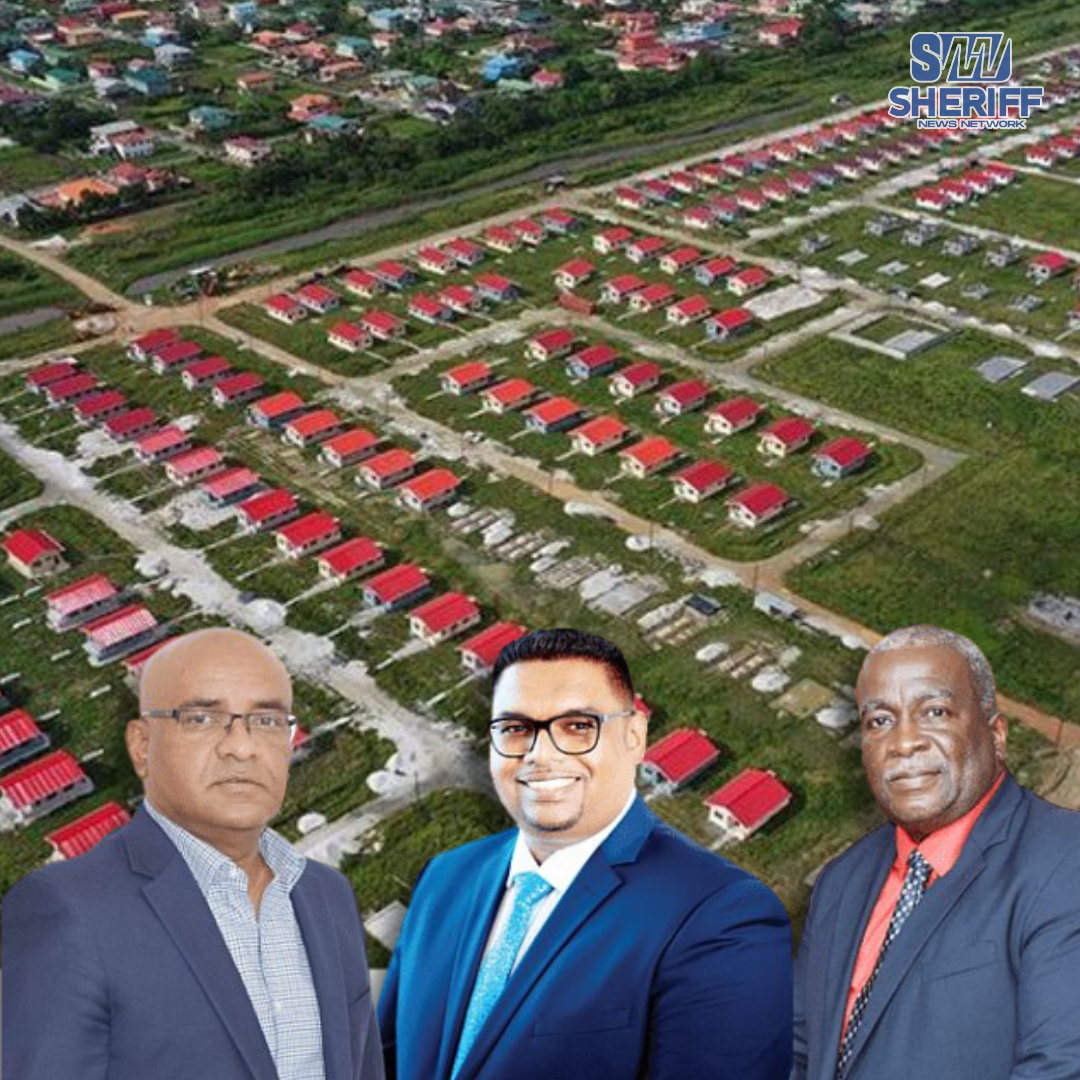
The PPP’s broader vision is equally ambitious. From transforming Guyana into the industrial capital of the Caribbean through new industrial estates, to building 40,000 homes and clearing the backlog of housing applications, many believe only the PPP has the experience to take on such tasks.
Expanding highways, bridges, and launching Silica City, Guyana’s first planned smart city, while delivering free university tuition, scholarships, and online learning, are also on the agenda for the ruling party when re-elected.
The scale of promises raises the stakes for how Guyana manages its growing oil wealth. According to the manifesto, the administration plans to channel these revenues into diversification; investing in agriculture, manufacturing, health, and education to reduce dependence on oil in the long term.
As the PPP faces the delivery of these promises, its experience in finance enables it to do so without the cushion of increased taxes.
For many voters, the September 1 election will be the beginning of a new phase of the PPP’s vision for a new and more advanced Guyana.


