South Rupununi Communities Unite In Efforts To Upgrade Community Infrastructure
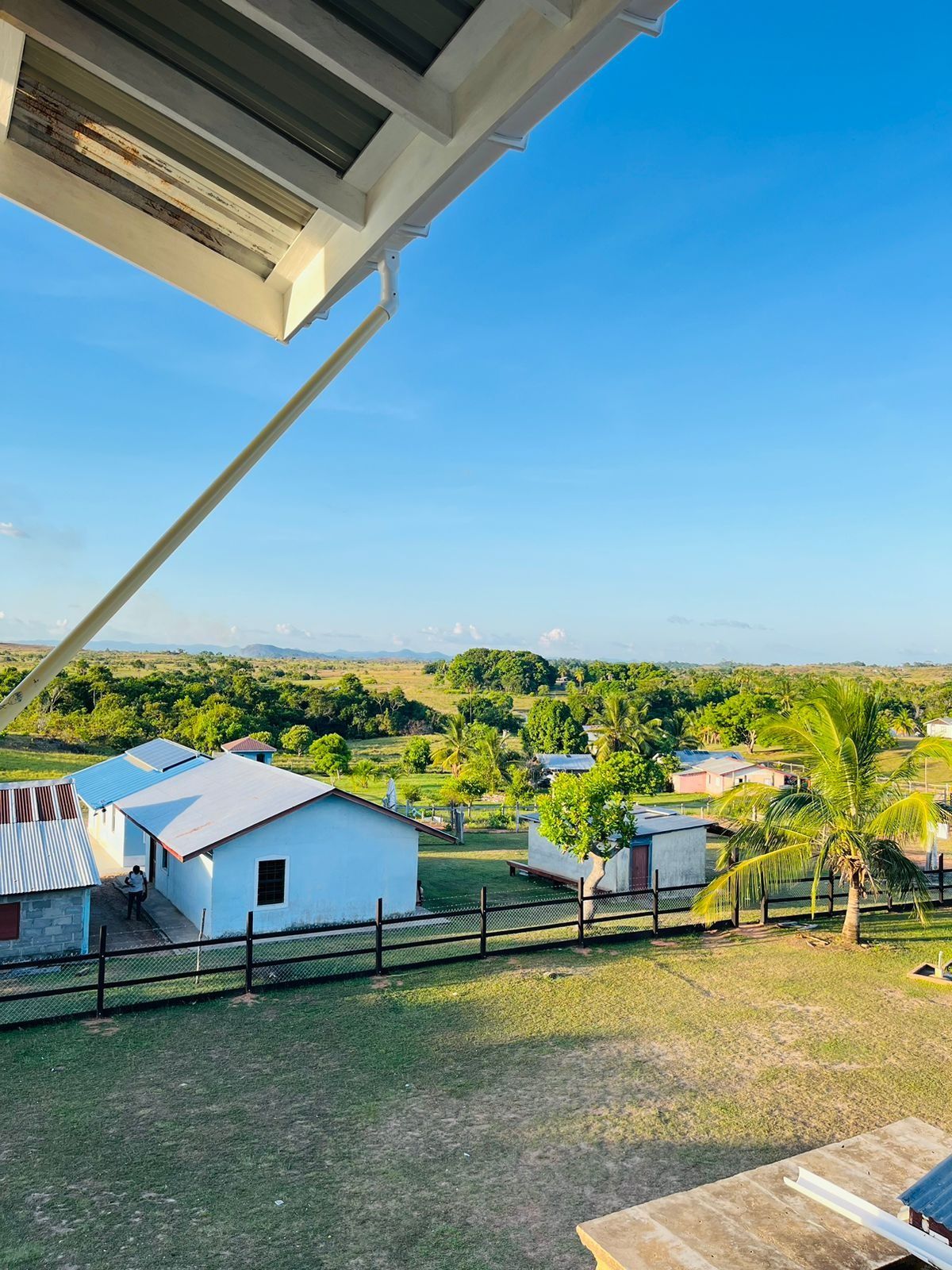


In a groundbreaking move for Indigenous entrepreneurship, 21 communities in Region Nine have come together to establish South Rupununi Development Incorporated, a company that aims to capitalize on the region’s growing construction sector. The company, which is currently undergoing registration, will be headquartered in Shulinab Village and led by Toshao Nicholas Fredericks, who has been selected as its Chief Executive Officer.
Fredericks relayed that the new venture represents a significant step in empowering Indigenous people to shape their own development, noting the venture as a huge potential because Indigenous people should be part of their own development. He also mentioned that the company intends to take on critical projects such as building schools, roads, and bridges across the South Rupununi.
Government support for the bold initiative is strong, with machinery and equipment in its initial phase. Stakeholders plan to meet with President Dr Mohamed Irfaan Ali in the coming weeks to discuss additional avenues of collaboration to ensure the company’s long-term success. The company’s operations are expected to create wide-ranging employment opportunities within the communities, spanning finance officers, cooks, cleaners, construction workers, masons, drivers, heavy-duty equipment operators, and service staff.
Shulinab Village is also in active discussions with the Guyana Geology and Mines Commission (GGMC) about establishing a stone quarry in the South Rupununi—a venture that would provide critical raw materials for construction while offering further employment and revenue streams for local residents.
This development is part of a broader trend of Indigenous communities taking on leadership roles in Guyana’s economic transformation. Over the past several years, the government has invested heavily in hinterland development—supporting projects in eco-tourism, agriculture, renewable energy, and infrastructure while also expanding access to education, healthcare, and ICT in Indigenous villages. Initiatives such as Presidential grants, the Amerindian Development Fund, and targeted infrastructure programmes have strengthened local economies and provided communities with tools to advance their priorities on their own terms.
Indigenous communities are not only preserving their cultural heritage but also asserting themselves as major contributors to Guyana’s development agenda. From eco-tourism lodges in the North Rupununi, to large-scale agriculture initiatives in villages like Annai and Nappi, and now the emergence of South Rupununi Development Incorporated, hinterland communities are demonstrating both entrepreneurship and resilience.


