

-by Mike Bhikam, NY
Guyana is at a pivotal moment in its democratic evolution, yet it now faces an uncomfortable paradox: the prospect of an Opposition Leader who is simultaneously under U.S. indictment and subject to an active extradition request. This is not a question of partisan loyalty—it is a matter of institutional integrity.
In early October 2025, U.S. federal prosecutors charged Azruddin Mohamed and his father with a sweeping list of offences, including money laundering, wire fraud, mail fraud, bribery, and tax evasion, tied in part to a goldexport scheme that allegedly evaded more than US$50 million in taxes. Their enterprise had already drawn scrutiny after the U.S. Treasury sanctioned the family in 2023, citing the smuggling of more than 10,000kg of gold into the United States.
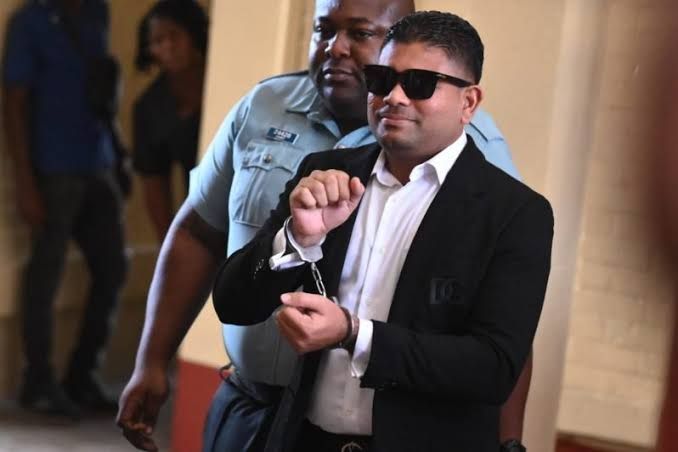
When Mohamed was arrested in Georgetown in October 2025 following a formal U.S. extradition request, the arrest occurred just days before he was expected to be elected Opposition Leader. He was later released on bail pending further hearings.
Beyond the courtroom, the stakes are profound. Reports indicate that U.S. prosecutors even filed a restricted unredacted indictment, a move experts interpret as a sign that sensitive or nationalsecurityrelevant evidence may be involved. Analysts warn that if Guyana appears permissive toward individuals wanted for highstakes financial crimes, it risks reputational damage, judicial credibility, and economic stability on the international stage.
The situation also raises questions about governance norms in Guyana. Many democratic systems expect senior officeholders to maintain Freedom of movement, Legal clarity regarding their status, the ability to participate fully in parliamentary duties and public credibility and moral authority.
Given that Mohamed is currently under sanction by the U.S. Treasury Department for alleged largescale gold smuggling and tax evasion—over 10,000kg of gold and US$50 million in taxes—these concerns are amplified.
As noted by U.S. journalist Thomas Anderson, mishandling the Mohamed extradition could give the impression that Guyana accommodates highvalue fugitives.
The role of Opposition Leader is more than ceremonial. It requires assured access to nationalsecurity briefings, participation in constitutional appointments, and the ability to represent Guyana’s democratic checks and balances without constraint. An individual navigating extradition proceedings, travel limits, and serious foreign criminal charges occupies a precarious position in fulfilling these obligations.
This is not about guilt or innocence. Mohamed, like any individual, is entitled to due process and the presumption of innocence. The issue is whether the country’s second-highest constitutional office can be effectively—and credibly—held by someone whose legal standing is uncertain and whose case may test Guyana’s diplomatic relationships.
As Guyana rises in global prominence, particularly in oil and resource diplomacy, the country cannot afford ambiguity about its commitment to transparent governance and the rule of law. Ensuring that key public offices are free from the shadow of international criminal proceedings is not a partisan demand—it is a prerequisite for national stability and global trust.


