
Nearly nine million people living with HIV worldwide remained without access to treatment in 2025, despite advances in medicines and prevention, the Joint United Nations Programme on HIV/AIDS (UNAIDS) has reported.
In its message ahead of World AIDS Day, observed on December 1, the agency warned that barriers to accessing healthcare continue to undermine efforts to end AIDS as a public health threat by 2030.
Under this year’s theme, “Ending AIDS starts with access”, UNAIDS is urging governments to ensure that testing, treatment and prevention services are affordable, confidential and available within communities.
While 32.1 million people were receiving life-saving treatment, an estimated 1.2 million people acquired HIV and 570,000 died from AIDS-related causes during 2025. Another 10.6 million people had unsuppressed viral loads.
“The gap is no longer what medicine can do. It is who is able, allowed and supported to reach it,” UNAIDS stated.
The agency acknowledged substantial progress in the global response, with new HIV infections declining by 42 per cent and AIDS-related deaths falling by 57 per cent since 2010. However, it warned that the world remains off track to meet its targets.
Children continue to face significant gaps in care, with only 55 per cent of children living with HIV receiving treatment.
According to UNAIDS, the availability of medicines and testing does not automatically mean people can obtain them. Costs, distance, stigma, discrimination and restrictive laws continue to prevent access, while declining funding is placing additional pressure on services.
External HIV financing fell by 18 per cent in 2025, the largest decline in almost two decades. Community organisations serving people who are often missed by public health systems were among the first to lose support.
“Services must be within reach: near home, affordable, private and free of discrimination,” the agency said.
UNAIDS called on governments to translate commitments under the Political Declaration on HIV and AIDS, adopted in June 2026, into funded programmes and accessible services.
The declaration includes a target of 40 million people receiving treatment by 2030, with 38 million achieving viral suppression.
The agency said fulfilling the commitments could avert 3.2 million new HIV infections and 1.3 million AIDS-related deaths by 2030.
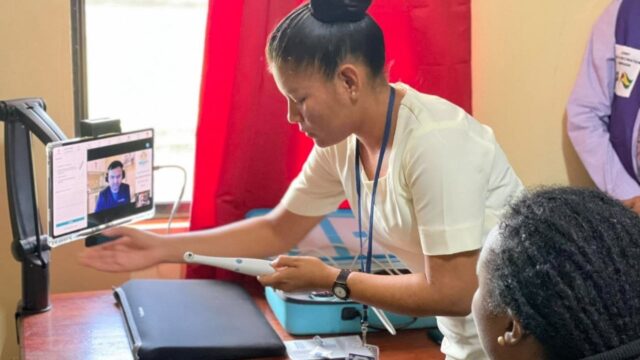
In Guyana, efforts to close gaps in HIV care include expanding testing, providing antiretroviral medicines and bringing treatment closer to communities, including those in the hinterland.
According to the 2026 Budget Speech, the country had increased its voluntary HIV testing sites to 82 facilities and continued distributing pre-exposure prophylaxis, or PrEP, to prevent HIV infection. The government also committed to strengthening surveillance, testing and training during the year.
Health Minister Dr Frank Anthony told the National Assembly in February that approximately 7,800 patients were receiving antiretroviral therapy, with the majority achieving viral suppression. He also outlined prevention measures, including public education, PrEP and the distribution of approximately five million condoms annually.
Specialised laboratory equipment has been procured to monitor patients’ viral loads and assess how effectively treatment is controlling the virus. The ministry has also introduced HIV self-testing kits to give people greater privacy.
In November 2025, Dr Anthony said the government financed HIV tests, antiretroviral medicines and viral-load testing, while acknowledging that fear of being seen at a clinic continued to discourage some people from accessing care.
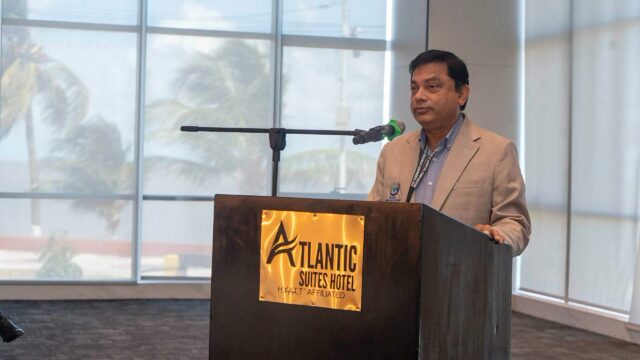
More recently, at a September 2026 workshop involving healthcare professionals from all ten administrative regions, the minister called for greater integration of HIV services into primary healthcare.
The approach is intended to reduce the distances patients must travel for treatment, with health-centre doctors managing patients and referring those requiring specialised care. However, he acknowledged that gaps remained in implementing the approach across the health system. The training also focused on managing advanced HIV disease and associated infections, including tuberculosis.
The Ministry of Health, through the National AIDS Programme Secretariat, has also initiated a review of its previous HIV strategy and preparations for HIVISION 2031, a new framework intended to guide prevention, treatment, care and support services for 2026-2031.