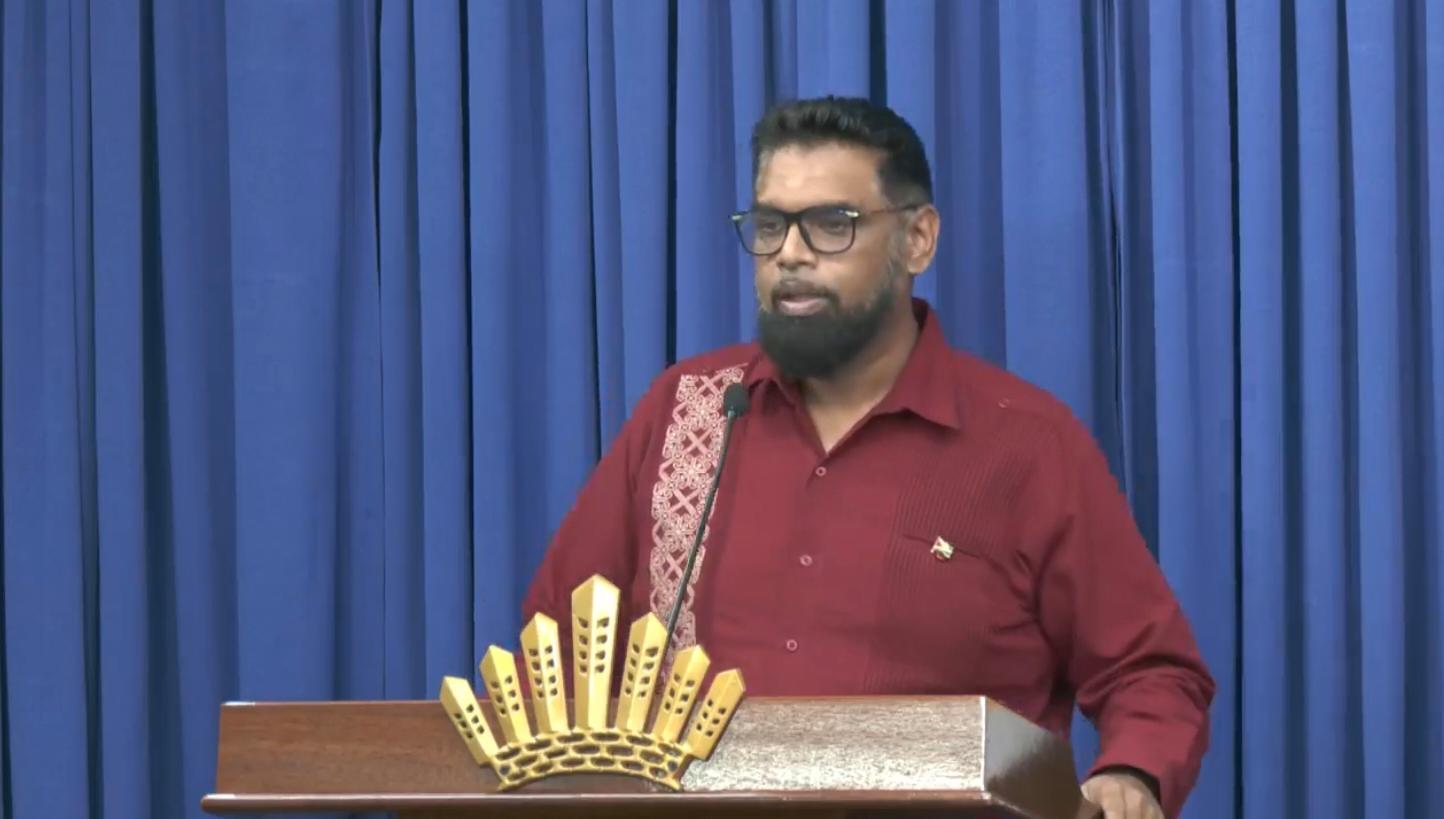
President Dr. Irfaan Ali on Friday outlined a sweeping plan to strengthen Guyana’s cybersecurity and digital resilience architecture as the country accelerates its transition to a more technology-driven economy.
Speaking at a press conference on Friday, the President said the expansion of digital systems, including the upcoming national payment platform and growing energy infrastructure, requires stronger protections for national data and critical assets.
Ali said the government is already refining a national cybersecurity strategy that will support the country’s broader digital transformation agenda.
The President noted that the strategy will include the establishment of a cyber emergency response team capable of operating “24/7 to respond efficiently and effectively to cyber threats and challenges.”
According to Ali, the government is also looking at integrating Guyana’s evolving security systems with regional and international partners.
“The AI and predictive security measures would allow us, of course, to not only enhance our security system but integrate it into regional systems like the RSS, our partners in the Southern Sphere, and wider field,” he stated.
The Head of State said major investments will also be directed towards digital resilience as Guyana moves closer to fully implementing its national payment system before the end of the year.
“For example, we will have the national payment system fully implemented, so you can go and just scan a QR code and pay for anything. You can do all your transactions on your phone,” Ali said.
He added that some local banks are already equipped for the transition, allowing users to transfer funds and make payments globally from their mobile devices.
With Guyana rapidly expanding its oil, gas and industrial infrastructure, Ali stressed that protecting critical systems from cyber threats has become a national priority.
“You can have cyber security that attack critical infrastructure, whether it’s your energy infrastructure,” the President said while referencing developments such as the Wales Development Zone, fertilizer plant, petrochemical facilities and the country’s oil and gas assets.
Ali disclosed too that a specialised “energy sector cyber defense” strategy is being developed to secure the country’s expanding energy industry and sensitive data systems.
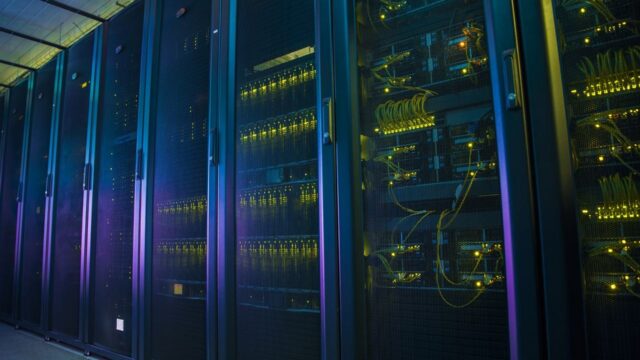
“You know, the data in an energy sector is critical data. As we move towards owning more of our data and having data sovereignty, we have to ensure that the backbone is there to protect that data, so that it’s not stolen,” he said.
The President further indicated that Guyana’s legislative framework will also be updated to align with evolving international cybersecurity standards and norms.
“The objective here is to protect our digital infrastructure and our national systems,” Ali said.