

Private owners of historic properties will be able to retain ownership even if their buildings receive national heritage protection under the proposed National Heritage Preservation Bill 2026.
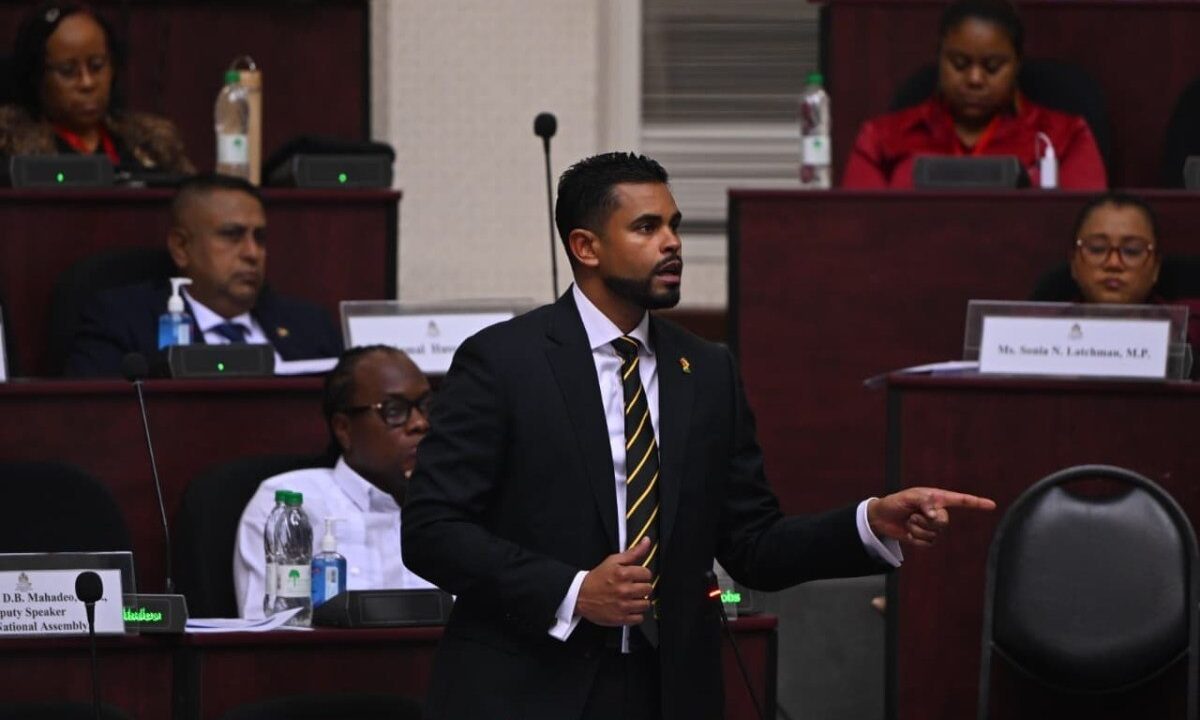
The provision is among the changes outlined by Minister of Culture, Youth and Sport Charles Ramson Jr during Wednesday’s debate in the National Assembly. The bill seeks to replace the National Trust Act of 1972 and widen protection for Guyana’s historical, cultural and archaeological assets.
Ramson explained that the existing law allows the declaration of a national monument to trigger a transfer of ownership to the National Trust. The proposed legislation would allow properties to be protected without requiring private owners to give them up.
A National Heritage Preservation Council would oversee the protection, management and promotion of designated sites, districts and objects. It would also maintain a national heritage register, giving the public and prospective buyers access to information on properties covered by heritage protection.
The register would be published annually in the Official Gazette and made available on the council’s website.
According to the minister, the current legislation falls short in several areas, including its treatment of archaeological finds, heritage districts and underwater cultural sites. The new bill sets out procedures for discoveries such as shipwrecks and treasure troves, while introducing licensing requirements for the import and export of heritage items.
The council would have enforcement powers and could inspect properties to determine their heritage value. Entry onto private property for such assessments would require at least seven days’ notice.
Preservation work would be supported through a National Heritage Preservation Fund, financed by parliamentary allocations, donations, fees and investment returns. The council’s accounts would be audited annually by the Auditor General.
Responding to opposition proposals, Ramson said the government did not support placing the council’s administrative responsibilities with the National Assembly or changing the proposed arrangements for ministerial oversight and appointments. He noted that the council could bring in persons with specialist knowledge when needed.
The bill also provides for existing National Trust employees to remain in employment.
Ramson said the legislation was developed over approximately three years through more than 50 meetings and consultations. Drafts were shared for technical input with UNESCO in Kingston, the Commonwealth Heritage Forum and the King’s Foundation.