
— alleges 23 hours of daily isolation in hot, windowless cell with poor ventilation & limited access to sunlight
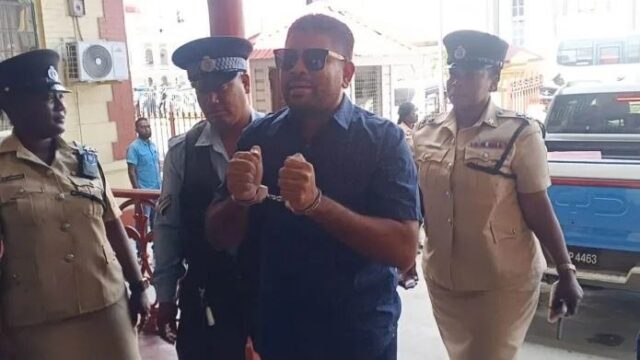
Opposition Leader Azruddin Mohamed has approached the High Court in Demerara seeking bail and a declaration that his continued detention is unconstitutional.
He argues that the charges are non-serious, the evidence against him is weak and his prison conditions amount to inhumane and degrading treatment.
The urgent application was filed on Wednesday, November 25, a day after Magistrate Abigail Gibbs refused to grant him bail on charges of cybercrime and aiding and abetting misconduct in public office.
Through his attorneys Roysdale Forde, SC, Siand Dhurjon and Damien Da Silva, Mohamed is seeking an order for his release on reasonable bail pending the determination of the criminal proceedings against him.
The application, brought against the Attorney General and the Director of Prisons, also seeks declarations that his continued detention violates his constitutional rights to personal liberty and the presumption of innocence.
In challenging the prosecution’s case, Mohamed denies paying Police Constable Ryan Greene, the officer accused of supplying him with the surveillance footage, or receiving anything from him.
He also denies attending the Police Command Centre.
His lawyers argue that Greene’s out-of-court admission cannot be treated as evidence of Mohamed’s guilt simply because they were jointly charged.
They further point out that Greene’s proposed testimony is separate, but no statement or supporting material had been disclosed, leaving the terms of any arrangement with the prosecution unknown.
The application also argues that both the cybercrime and misconduct charges are classified as non-serious offences under the relevant legislation.
It states that the misconduct charges carry a maximum penalty of one year’s imprisonment under Section 21 of the Criminal Law (Offences) Act.
His attorneys contend that Mohamed has no previous convictions and has complied with reporting and passport conditions imposed in other proceedings.
They also maintain that he has not contacted Senior Superintendent Prem Narine or his family since a no-contact condition was imposed.
According to the application, any concerns about interference with witnesses or other risks could be addressed through appropriate bail conditions, including prohibitions on contact with Greene and other prosecution witnesses.
The filing also challenges the prosecution’s reliance on separate firearms, ammunition and obstruction allegations as evidence of a pattern of offending, arguing that those allegations were undermined by subsequent disclosure materials.
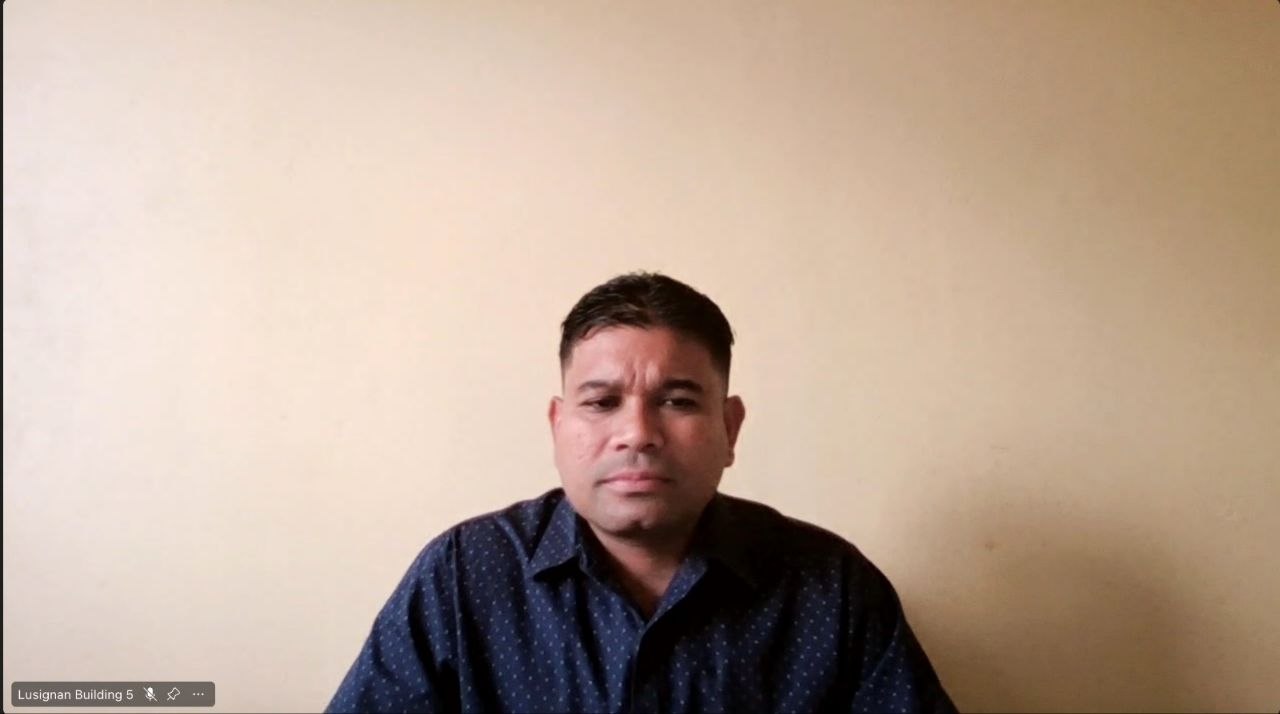
In a particularly serious allegation, Mohamed claims that since October 30, he has been held in near-total isolation at Lusignan Prison, spending approximately 23 hours and 50 minutes each day confined to his cell.
His application describes the cell as windowless, excessively hot, poorly ventilated and continuously lit, with little access to direct sunlight, meaningful human contact or reading material.
He further alleges that smoke and fumes have caused wheezing, headaches and nausea. On November 19, he reportedly complained of difficulty breathing but was refused temporary access to cooler air, even while handcuffed.
He claims the only medical attention provided was a blood-pressure check conducted through the cell door.
His lawyers argue that the conditions and restrictions exceed what is necessary for safe custody and raise concerns under the Prison Rules and the United Nations Standard Minimum Rules for the Treatment of Prisoners, commonly known as the Nelson Mandela Rules.
Mohamed is asking the High Court to grant bail, declare his continued detention unconstitutional and provide any further relief it considers appropriate.
The allegations contained in the application have not yet been determined by the court.