

Guyana’s transition to electric mobility is quickly becoming a defining feature of President Irfaan Ali’s vision for a modern, digitized nation built on clean energy and technological innovation. As the country joined the international community in observing World Electric Vehicle (EV) Day 2025 on September 9, the progress made over the past five years highlighted how transportation is being reshaped to align with this broader national agenda of sustainability, modernization, and digital transformation.
The shift to EVs is not simply about adding cleaner vehicles to the road—it is about building a smarter ecosystem that connects renewable energy, digital infrastructure, and human capital. Today, more than 280 EVs are registered in Guyana, a milestone backed by progressive fiscal policies including zero duties and taxes on electric vehicles, and an increased 50 percent annual write-down allowance for businesses that choose eco-friendly fleets. These measures reflect a clear policy direction: electric mobility is not optional, but central to the nation’s low-carbon, technology-driven development path.
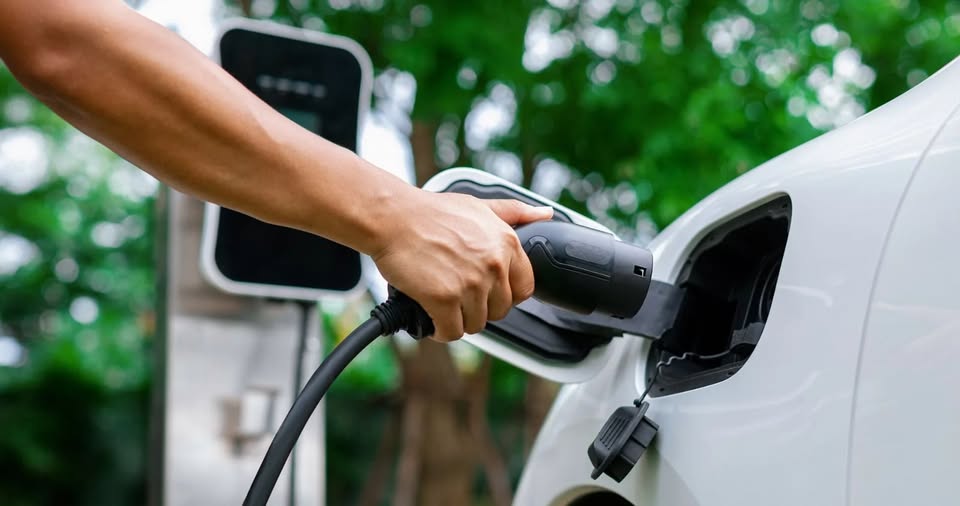
Critical to this transition is the expansion of EV infrastructure. The Guyana Energy Agency (GEA) currently manages six public charging stations across Regions 3, 4, and 6, with an additional 14 on the way by December, bringing the total to 23. Plans are also in motion to introduce three solar-powered charging stations through the Just Energy Transition (JET) Seed Funding Initiative, linking clean energy with digital monitoring systems and signaling Guyana’s move toward a fully integrated e-mobility network.
Investment in people remains a key part of the plan. Over the past year, Guyana has accelerated training for local auto electricians and mechanical technicians, equipping them with the skills needed to repair, maintain, and innovate within the EV sector. Supported by international partners such as the United Nations and the European Union, these programmes have so far trained 77 professionals in EV maintenance and solar photovoltaic systems—ensuring that the country’s workforce is prepared to thrive in a modern, digitized energy and transport landscape.
Public engagement has also played a role in this transformation. Through EV exhibitions in Georgetown and Berbice, dealers, owners, and citizens have been able to interact with new technologies, learn about EV performance, and understand the economic and environmental benefits of switching to electric transport. These initiatives mirror President Ali’s wider call for a knowledge-driven economy—one where technology is actively embraced and integrated into daily life.
As Guyana expands its e-mobility industry, the push for EV adoption is emerging as more than just an environmental effort. It represents a cornerstone of the President’s vision to transform the country into a modern, technologically advanced society powered by clean and renewable energy. On this World EV Day, Guyana’s progress affirms its commitment to building a transport system that is sustainable, digitally connected, and designed to deliver a low-carbon future for generations to come.