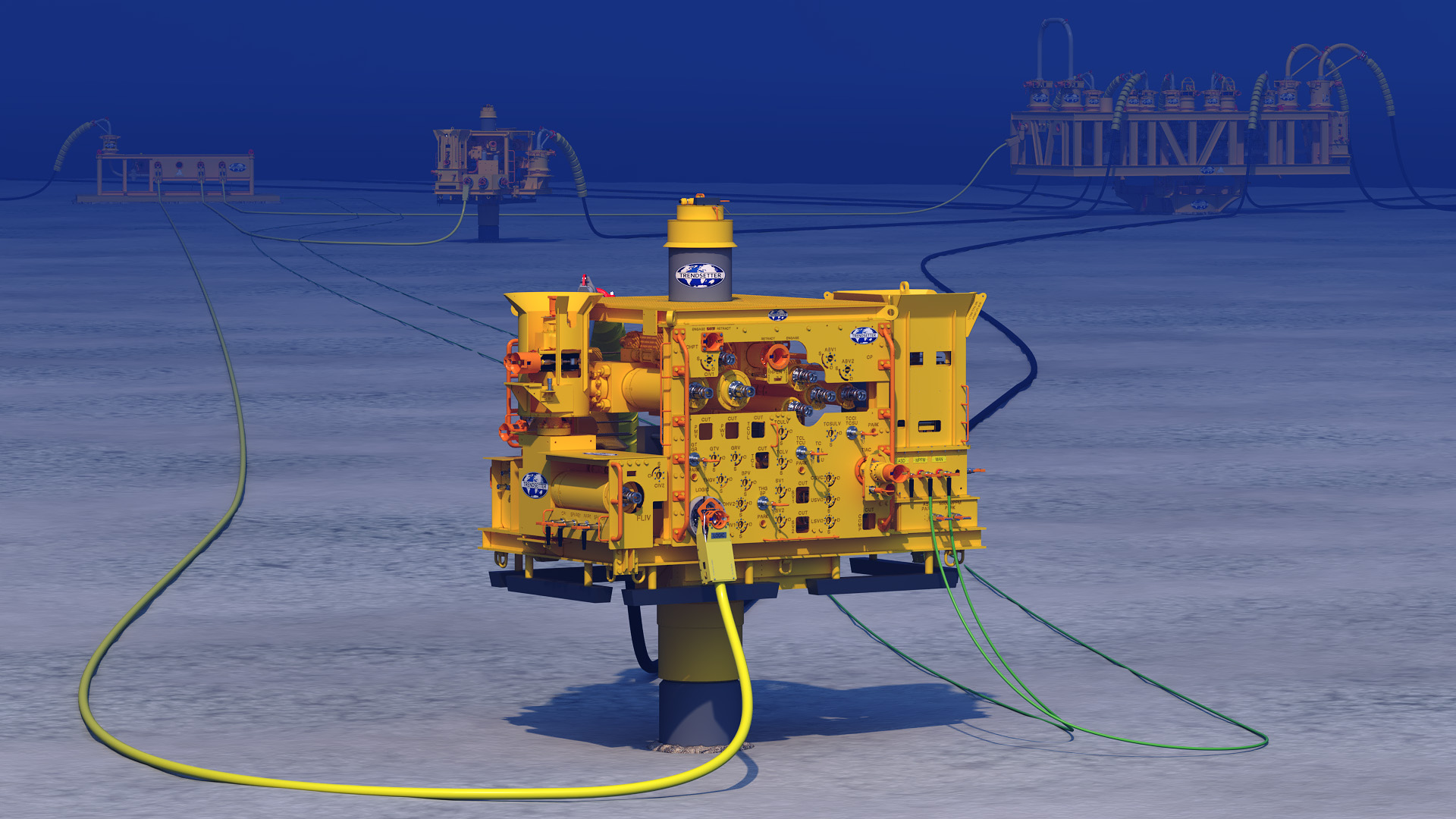
Guyana has been identified as one of the emerging hotspots for offshore oilfield equipment, as global demand for subsea trees continues to rise, according to new insights from energy research firm Westwood Global Energy Group.In a recent update, the company said, “Subsea tree demand is building steadily, with a strong pipeline shaping the years ahead,” pointing to increased activity across major offshore basins.While much of the early 2026 awards have been driven by projects outside the region, including CNOOC International’s Kaiping 18-1 development, Westwood noted that countries like Guyana are expected to see significant growth in the coming years.The firm projects that approximately 1,375 subsea tree units will be required globally between 2026 and 2030, averaging about 275 units annually. Within that outlook, Guyana is grouped among a set of high-growth markets expected to surpass 100 units by the end of the decade.This places the country alongside other expanding offshore players such as Australia and China, signalling continued momentum in Guyana’s oil and gas sector as development ramps up across multiple projects.Westwood explained that while demand remains concentrated in traditional offshore hubs like Brazil, Norway and Nigeria, which together account for roughly 40 per cent of expected activity, newer producers are steadily gaining ground.The report also highlighted several key projects and contract decisions expected in the near term, including developments offshore Indonesia and Brazil, indicating that competition for subsea equipment and services is likely to intensify.Subsea trees, critical components used to control the flow of oil and gas from underwater wells, are a key indicator of offshore development activity. Increased demand typically reflects new project approvals and drilling expansion.Westwood, which provides data and advisory services to the global energy industry, said its projections are based on ongoing analysis of exploration and production trends worldwide.For Guyana, the forecast reinforces expectations of sustained offshore growth, as the country continues to expand production across its Stabroek Block developments and beyond.
Guyana among high-growth offshore markets as global subsea demand climbs -Westwood