

ExxonMobil, the oil giant known in Guyana for its massive offshore oil operations, is pushing deeper into the global energy transition while still growing its fossil fuel business.
The company, which leads Guyana’s oil production through a consortium tied to the Stabroek Block, has been criticised for aggressively pursuing crude output even as the world shifts toward renewable energy. Interestingly, Exxon has also quietly invested in technologies tied to low-carbon markets, such as carbon capture and hydrogen. Its latest move signals a direct entry into the battery industry.
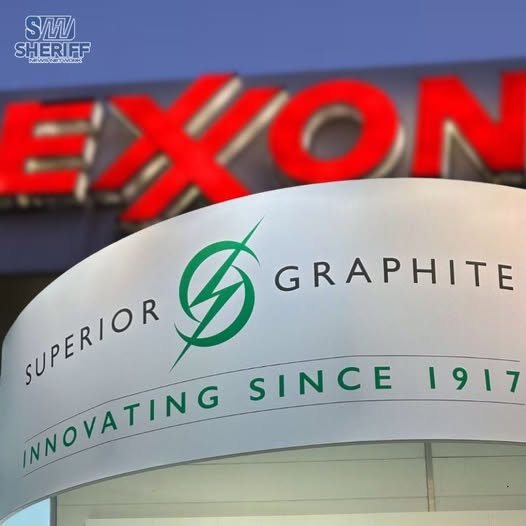
Exxon announced the acquisition of a battery materials plant from Chicago-based Superior Graphite in Hopkinsville, southern Kentucky. According to Dave Andrews, Exxon’s vice president for new market development, the factory will produce synthetic graphite commercially by 2029. The company did not disclose the cost of the deal.
Andrews explained that the facility will manufacture synthetic graphite for batteries using materials from Exxon’s refineries. The product promises faster charging, more range, and longer lifespan than conventional batteries. “Now we’re looking for ways to produce that material most efficiently,” he said.
Exxon’s Chief Executive Officer, Darren Woods, has emphasised that the company will only invest in areas with an edge over competitors. Unlike wind or solar, Exxon’s strategy is focused on technologies tied closely to its core expertise. “We see strong demand and double-digit growth in energy storage solutions over the medium term,” Andrews noted.
Exxon’s history with batteries dates back to the 1970s, when one of its scientists, Stanley Whittingham, invented the lithium-ion battery. The company, however, failed to commercialise it at the time. Woods aims to correct that by expanding into the next generation of batteries.
In addition to synthetic graphite, Exxon plans to become a significant producer of mined lithium before the decade’s end, targeting the electric vehicle market. The deal also gives Exxon control of Superior Graphite’s research facilities in Bedford Park, Illinois, along with about 150 employees.
This latest acquisition underscores Exxon’s dual path- expanding fossil fuel output in Guyana and beyond, while also seeking a foothold in the energy transition reshaping the global market.