
The government has outlined a significant overhaul of Guyana’s healthcare system, with upgrades ranging from modernised supply chains and digitised patient records to new dialysis units across the regions.
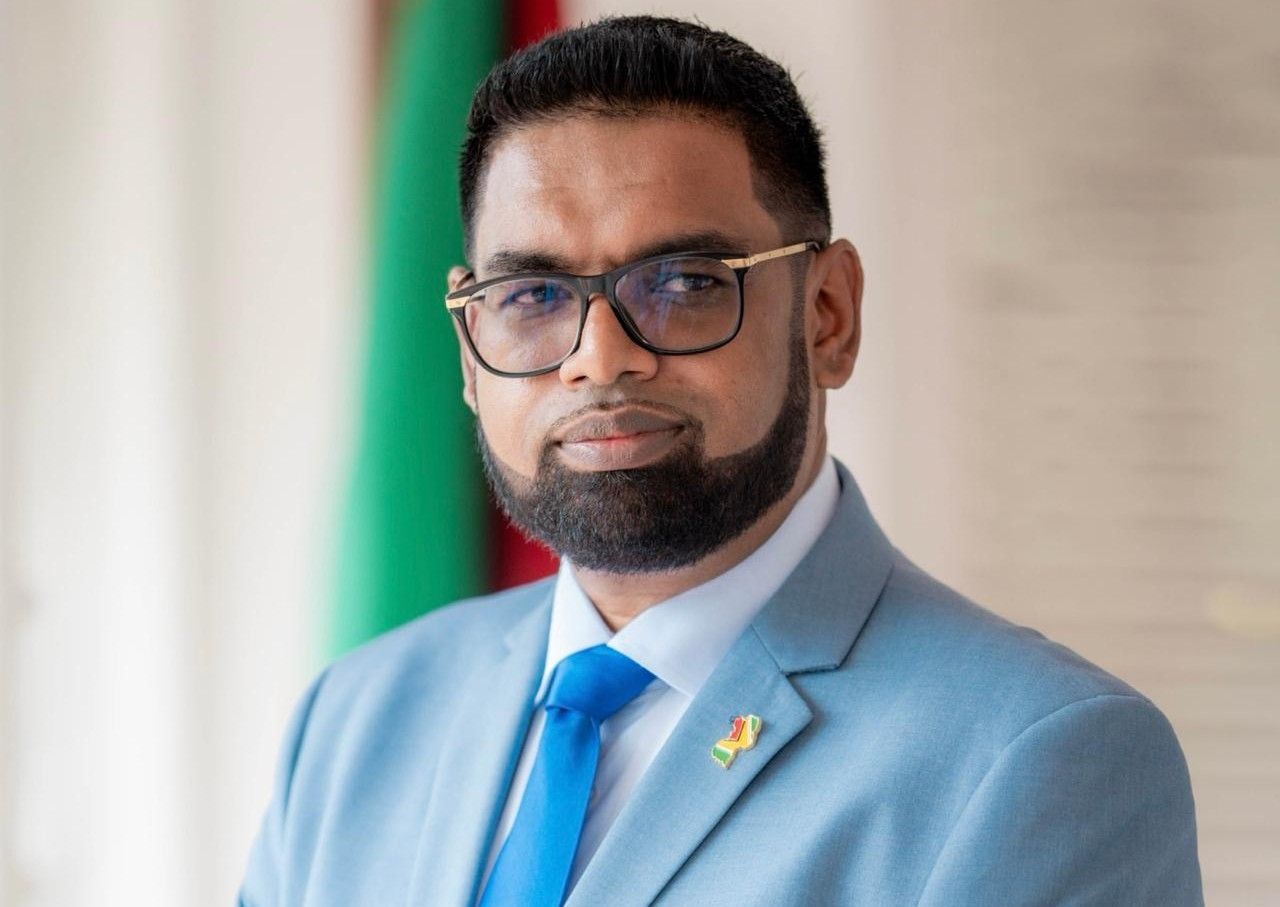
According to President Dr Irfaan Ali, work is already underway to strengthen the Material Management Unit (MMU) and regional bonds. A firm has been contracted to design policy and procedures for a new supply chain system, which is expected to go live in the first quarter of 2026. By mid-year, it will be fully integrated with regional distribution networks.
The President stated that the upgraded MMU system will feature visible alerts for low stock, AI-powered management tools, and automated features to enhance efficiency, minimise spoilage, and align Guyana with global standards. Regional bonds are already being constructed in Regions 1, 2, 6, 9, and 10.
On the patient side, the healthcare system is moving digital. Records at the Georgetown Public Hospital Corporation (GPHC) will be digitised starting March 2025, with completion set for mid-2026. The first phase is expected to go live in early 2026 before expanding nationwide.
An online appointment system is already being piloted at the Festival City Polyclinic. “We don’t want lines in hospitals and clinics. We want to move the system into an app-based system to make appointments,” President Ali explained, adding that the system will be rolled out first at GPHC and then at all regional hospitals and clinics. Six new regional hospitals are set to be connected by late 2026.
Guyana is also advancing on pandemic preparedness through the US$15 million One Health project, which will strengthen disease surveillance, upgrade labs to Level 3, and expand human resource capacity for pandemic response.
Meanwhile, 10 new health facilities are currently under construction. Each is expected to deliver at least 116 different health interventions, with a heavy focus on primary care and preventative medicine, including screening and education for non-communicable diseases such as diabetes, hypertension, and heart disease.
The government is also expanding the school health programme, women’s health initiatives like breast cancer screening, and cervical cancer prevention through HPV vaccination and testing. Talks are ongoing to establish a national oncology centre, with potential support from the private sector.
Dialysis remains a pressing issue, with patients noting rising private costs despite increased government grants. To ease the burden, dialysis stations will be added to all six new hospitals. By year-end, 15 new dialysis units will be operational in Regions Two, Three, Four, Five, Six, and Ten.
“These are improvements we are advancing in the early days,” President Ali concluded, suggesting there is more to look forward to in Guyana’s healthcare system.