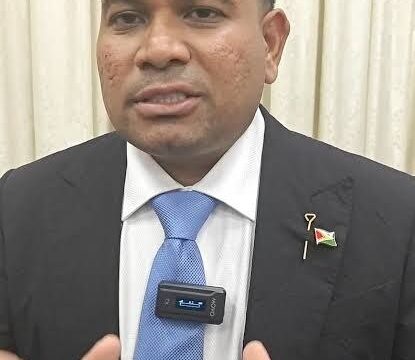

Attorney General and Minister of Legal Affairs, Anil Nandlall, SC, says the constitutional concerns being raised in the extradition proceedings for Nazar and Azruddin Mohamed have no basis in law, and the alleged deficiencies in the Guyana–U.S. extradition treaty have long been settled by the courts.
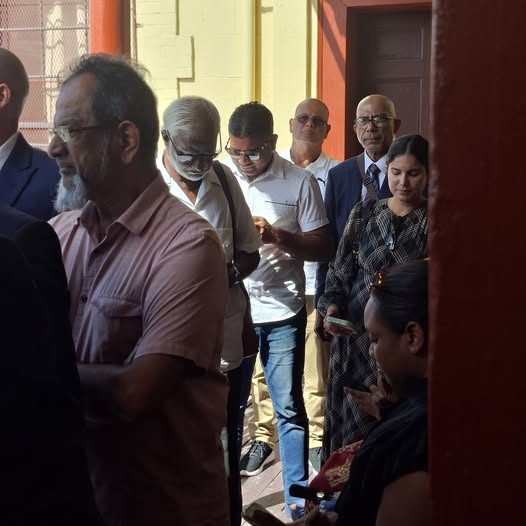
Following Monday’s hearing before the Georgetown Magistrates’ Court, Nandlall explained that the defence is arguing that their constitutional rights, including liberty, fair trial, and freedom of movement, would be violated by extradition. But he pointed out that those rights apply to persons facing criminal charges in Guyana, not to individuals wanted for trial abroad.
He stated, “There is no charge against these two persons in Guyana and they are not going to be tried in Guyana. And the very provisions of the constitution that they are relying on… say that they do not apply to extradition proceedings.”
Turning to the defence’s repeated claim of a “deficient treaty,” Nandlall made it clear that Guyana’s courts have already ruled on this matter.
“Our treaty provides for [safeguards]… And as I said, we have two cases from the Guyana Court of Appeal that make that position extremely clear. So the treaty… is not deficient.”
To further dispel the complaint and avoid unnecessary litigation, the Attorney General said the government secured a written assurance from U.S. authorities that the Mohameds would not be prosecuted for any offence other than that for which extradition is sought, nor be sent to a third country without Guyana’s permission.
He said, “We got from the U.S. an assurance in writing… Though we don’t need it, the Americans have given the assurance. That removes the foundation from their complaint because that in essence is the only thing they have complained about in substance.”
Nandlall noted that rather than welcoming the safeguard, the defence appeared disappointed and has asked to make further submissions, a request the magistrate granted.
He insisted the state has fulfilled its responsibilities.
“It is all part of the state’s responsibility to ensure that due process is accorded… whatever legal and protective safeguards these persons… are entitled to, they get from the state.”
With written submissions now before the magistrate, the Attorney General outlined the clear legal options: “One, the magistrate can uphold their submissions and refer the questions to the High Court… Or the magistrate can dismiss their application… as frivolous and vexatious.”
If dismissed, he explained, the court will move directly into the committal phase, deciding whether there is enough evidence to order extradition.
Nandlall reminded that the magistrate does not make the final determination.
“It is the Minister of Home Affairs who makes the decision whether to extradite or not.”